

Welcome to the Research and Strategy Services at in today's fast-paced.
You’re doing something familiar—working at your desk, playing a sport, or carrying out a routine task.
Everything is the same as usual. Or at least, it seems that way.
But then something small changes. The lighting is slightly different. The space feels more crowded or noisy. The setup is just a bit off.
And suddenly, performance shifts.
The common assumption is that small environmental differences shouldn’t matter much.
If your ability hasn’t changed, the outcome should stay the same.
But in practice, even minor changes in environment can lead to noticeable differences in how things unfold.
It’s intuitive to believe that performance should remain stable across small environmental changes.
If you have the same skills and knowledge, a slightly different setting shouldn’t significantly affect what you can do.
This leads to a simple expectation:
consistent ability = consistent performance
When performance changes, it’s often attributed to internal factors—focus, effort, or inconsistency.
But this assumes that the environment is neutral.
That it simply surrounds the task, rather than shaping it.
In reality, the environment does more than provide context.
It defines how the task can be performed.

Small environmental differences can change the structure of the task, narrowing available options.
They influence:
Even minor shifts can alter how information is sampled and how decisions are formed.
For example:
These are not changes in ability.
They are changes in the conditions under which decisions are made.
This reshapes the available pathways.
Some options become more visible and easier to act on.
Others become less accessible or disappear entirely from consideration.
As a result:
The environment is not passive.
It actively structures what can be perceived and done at each moment.
Working in a different setup
Moving from a quiet, organized workspace to a slightly more cluttered or noisy one can change how easily information is processed. Not because the work itself is harder, but because the environment changes how information is accessed and prioritized.
Driving in changing conditions
A familiar route can feel very different depending on lighting, weather, or traffic density. Small changes in visibility or spacing can alter how decisions are made, even though the route itself is unchanged.

Sports performance
A slight difference in positioning, spacing, or timing can change what an athlete can see and act on. The same play can unfold differently depending on how the environment structures available options in that moment.
Everyday tasks
Even simple actions—like preparing a meal—can change if tools are placed differently or space is more constrained. The sequence of actions shifts because the environment shapes what is immediately accessible.
Small environmental changes do not just affect performance indirectly.
They reshape the structure of the task itself.
As the environment changes, it can:
Performance differences are not always a reflection of ability.
They often reflect differences in the conditions under which decisions occur.
When performance changes across situations that seem similar, it’s easy to assume inconsistency.
But the situation may not be as similar as it appears.
Small changes in the environment can shift what is visible, what is accessible, and what is possible.
And when those conditions change, performance changes with them.
Welcome to the Research and Strategy Services at in today's fast-paced.
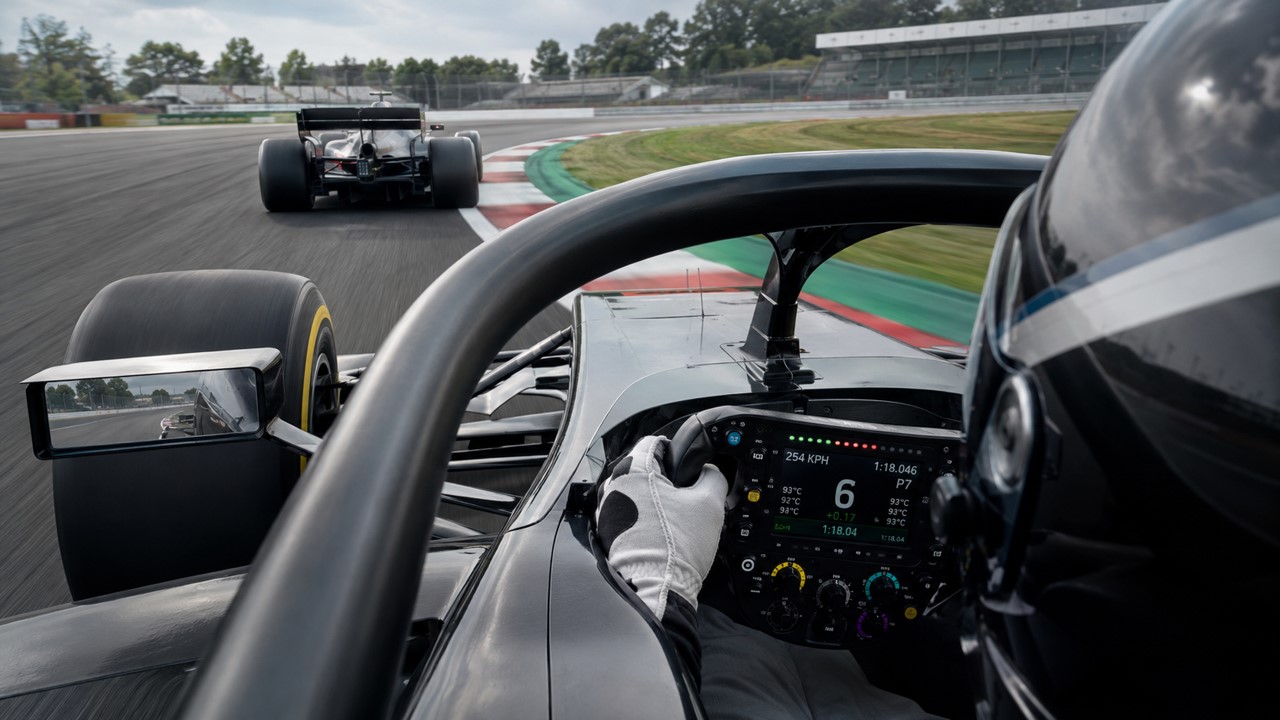
At Formula 1 speeds, performance depends on far more than fast reactions. This article explores how elite drivers prioritize information, anticipate what comes next, and continuously update the race at extreme speed.
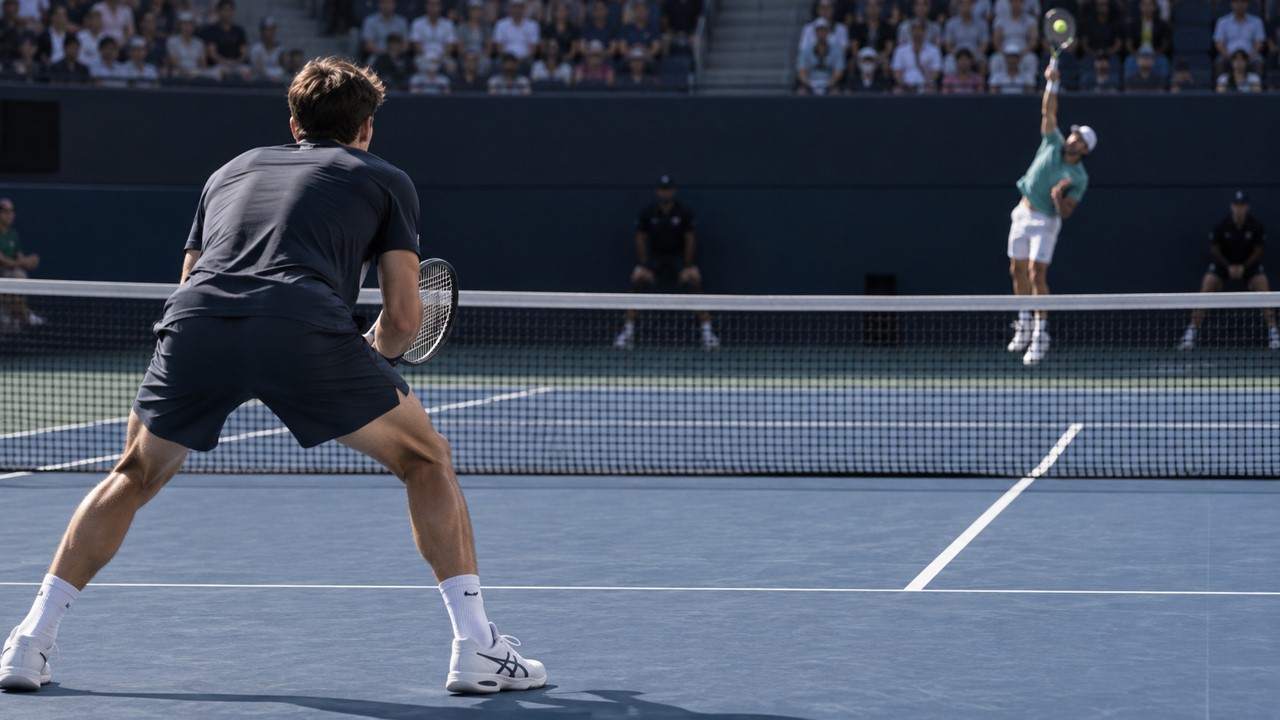
Elite tennis returners do more than react quickly — they extract useful information before the ball is even struck. This article explores how anticipation, body cues, and rapid updating help players solve the return before the serve fully unfolds.
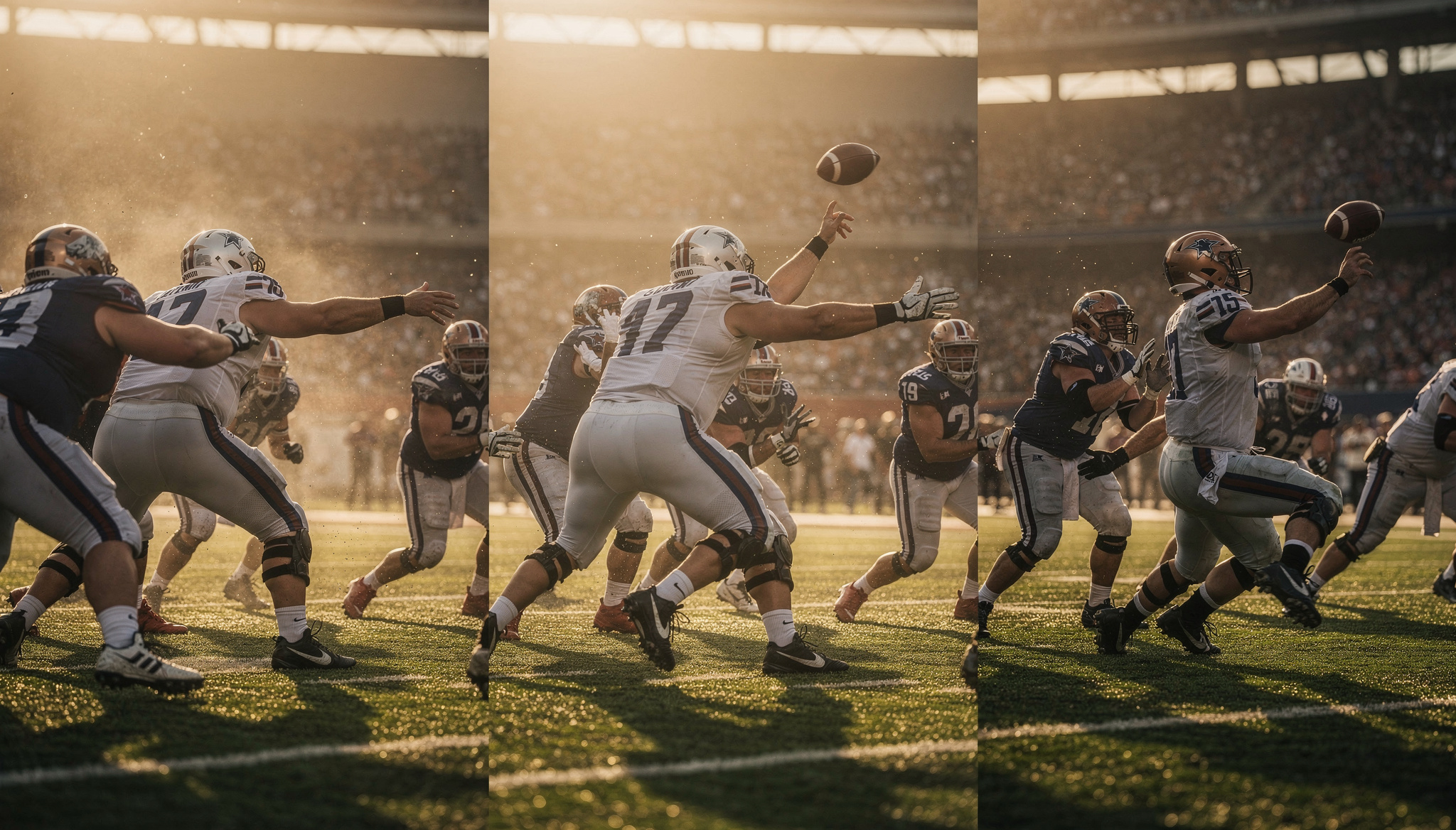
Elite athletes don’t need to look directly at everything to stay aware of a fast-changing play. This article explores how gaze and attention work together to monitor movement, spacing, and opportunity across the wider visual field.
NeuroTracker is one of the most widely researched cognitive training systems, used in elite sports, military, and human performance settings worldwide. Built on 20 years of neuroscience research.