
Welcome to the Research and Strategy Services at in today's fast-paced.
You know the answer.
You know what needs to be said, which option makes sense, or what action should happen next.
And yet, for a brief moment, nothing happens.
You pause before speaking in a conversation. You hesitate before making a move in sport. You delay clicking “send,” even after deciding what you want to write.
The common assumption is that hesitation comes from not knowing what to do.
But many moments of hesitation happen after the decision itself is already clear.
Hesitation is often interpreted as confusion or lack of confidence.
From the outside, it can appear that the person is still thinking through possibilities or trying to decide between options.
And sometimes that is true.
But hesitation can also occur after the decision pathway has already formed.
The action is available.
The intention is present.
The next step is understood.
What remains uncertain is not always the decision itself.
It is what might happen once the action is taken.

Knowing what to do does not eliminate uncertainty.
Many actions still require prediction about outcomes that have not happened yet.
For example:
This creates a situation where the decision is structurally incomplete, even if the intended action is already known.
The person is not deciding what to do.
They are evaluating uncertainty around what follows.
This changes how action unfolds.
Instead of immediate execution:
The hesitation emerges from incomplete visibility into what happens next.

People often expect hesitation to disappear with experience.
But even familiar situations can contain uncertainty.
A conversation may resemble previous ones while still carrying unknown social consequences. A routine decision at work may still affect future outcomes that cannot yet be seen. An athlete may recognize the correct tactical option while remaining uncertain about how defenders or teammates will respond.
The action itself may be clear.
What remains uncertain is how the environment will change once that action begins.
This is why hesitation can occur even in situations that feel highly familiar or well-practiced.
The uncertainty exists not in the action, but in the unfolding consequences around it.

Conversations
Someone may know they want to speak up, ask a question, or disagree, yet hesitate because they cannot fully predict how the other person will react.
Sports performance
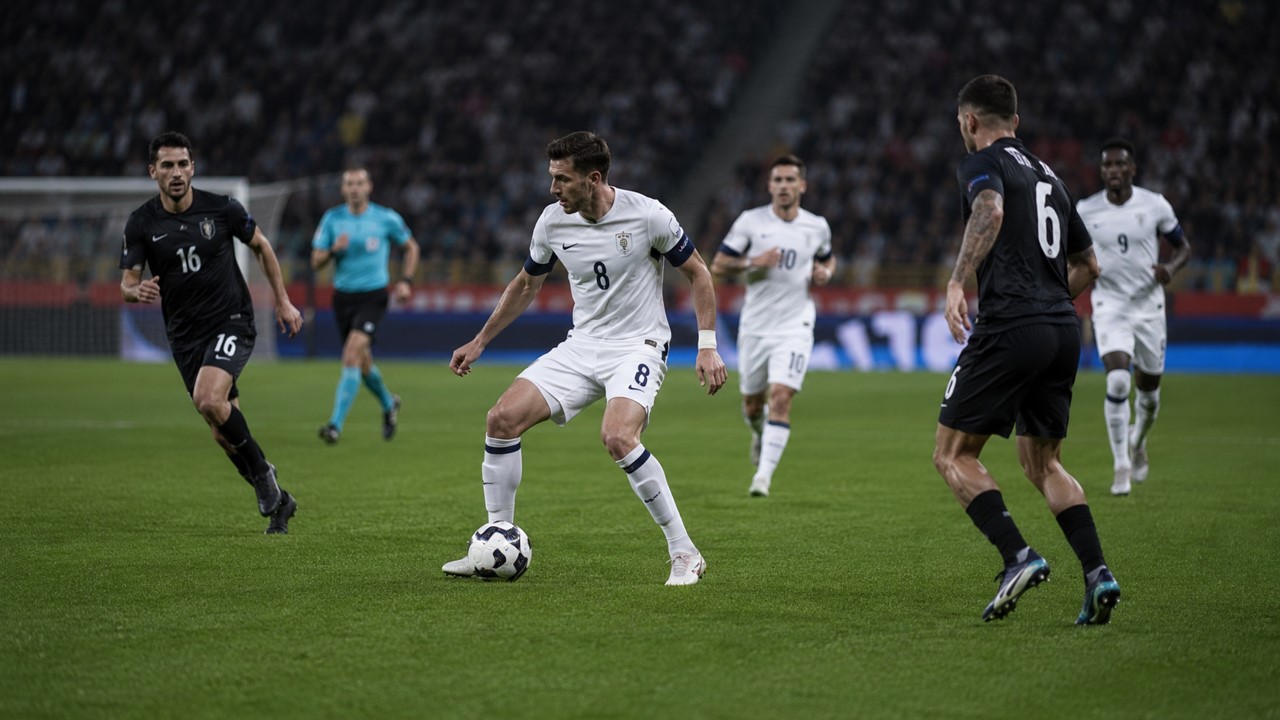
An athlete may recognize an open passing lane but hesitate briefly because defenders, teammates, and timing are still changing in real time.
Workplace decisions
A manager may know which direction a project should take, while hesitating because the downstream effects on timing, people, or priorities remain uncertain.
Everyday decisions
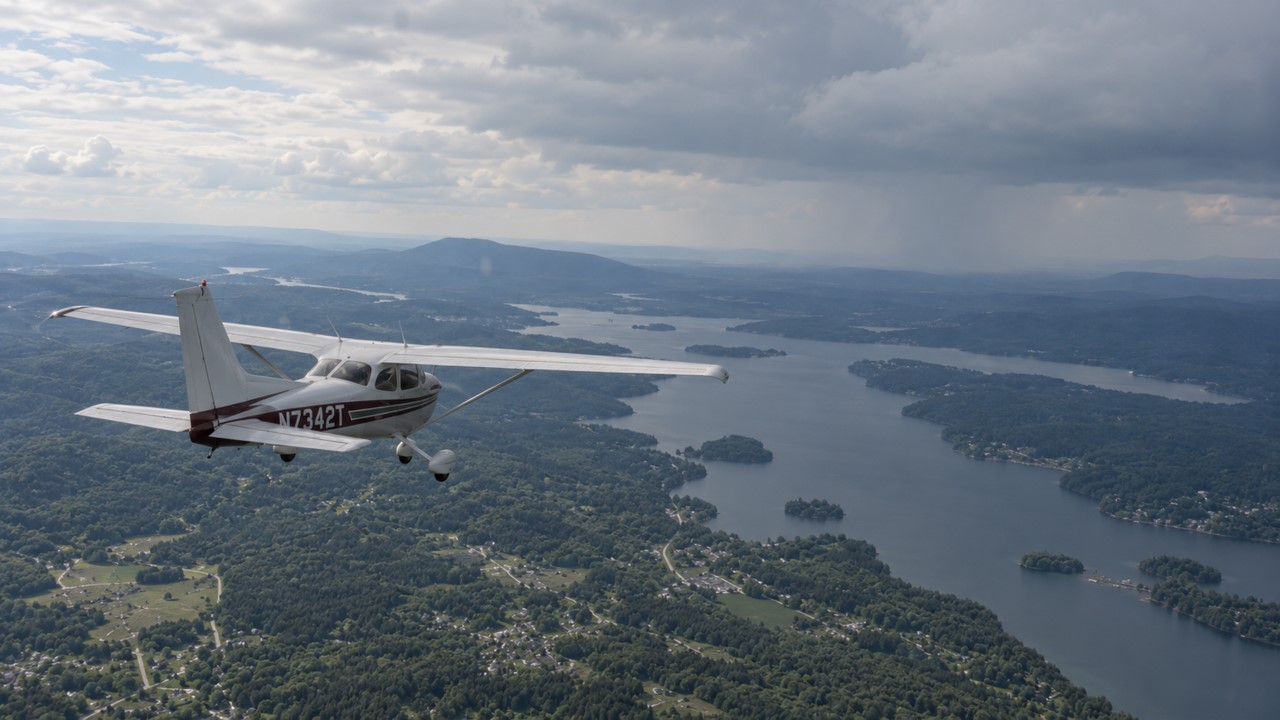
A person may know they should merge lanes, enter traffic, or commit to a route, but pause momentarily while waiting for more information about how the surrounding environment is moving.
Digital communication
Someone may write a message, read it back, and still hesitate before sending—not because the wording is unclear, but because the response and consequences may remain ambiguous.
Hesitation does not always mean uncertainty about the action itself.
It can emerge when:
In these situations, hesitation reflects uncertainty about what happens after the decision, not necessarily uncertainty about the decision itself.
It is easy to assume that knowing what to do should automatically produce immediate action.
But many real-world situations remain incomplete even after a decision forms.
The action may be ready.
What remains uncertain is the environment that action will enter—and what it will reveal next.
Welcome to the Research and Strategy Services at in today's fast-paced.
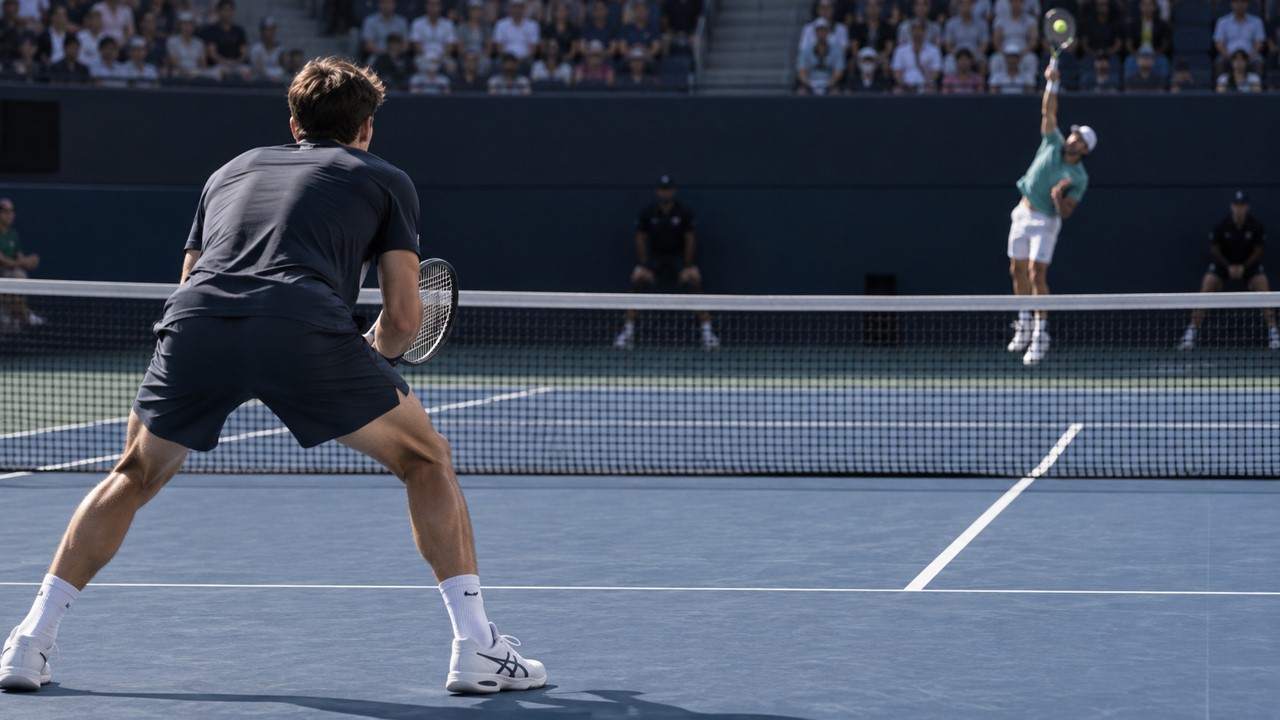
Elite tennis returners do more than react quickly — they extract useful information before the ball is even struck. This article explores how anticipation, body cues, and rapid updating help players solve the return before the serve fully unfolds.
Elite athletes don’t need to look directly at everything to stay aware of a fast-changing play. This article explores how gaze and attention work together to monitor movement, spacing, and opportunity across the wider visual field.
Learn how modern sports medicine extends beyond treating isolated injuries with multidimensional rehabilitation approaches.
NeuroTracker is one of the most widely researched cognitive training systems, used in elite sports, military, and human performance settings worldwide. Built on 20 years of neuroscience research.