


Welcome to the Research and Strategy Services at in today's fast-paced.
You’re faced with a decision—choosing an answer in a test, reacting in a fast-moving situation, or making a call at work with a deadline approaching.
At first, the decision feels clear. You can see the options, weigh them, and consider what makes the most sense.
But as time runs out, that clarity often fades.
The same decision that felt straightforward now feels harder to resolve.
The common assumption is that time pressure simply reduces how long you have.
That you’re making the same decision, just faster.
But in reality, time pressure changes how the decision is formed.
It’s easy to think that limited time only affects speed.
You still have the same knowledge. The same options are available. The only difference seems to be that you have less time to work through them.
When decisions become less accurate under time pressure, it’s often explained as “rushing” or “not having enough time.”
This reinforces the idea that the decision process itself stays the same.
But this intuition overlooks something important.
When time is limited, the structure of the decision changes—not just the pace.
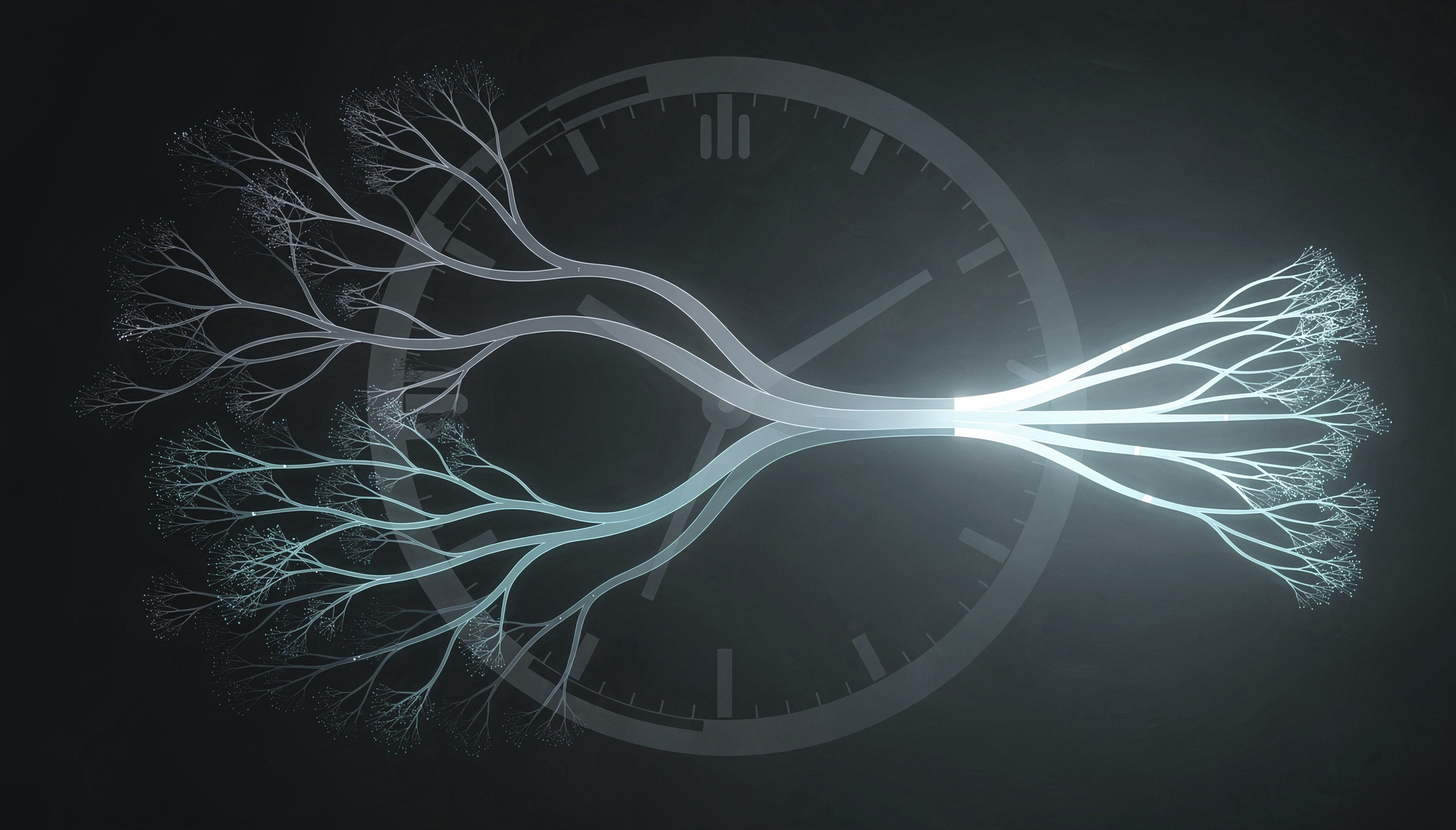
Time pressure is not just a reduction in duration.
It is a constraint on how information can be used.
With more time available:
When time is limited:
This changes the pathways available for decision-making.
Instead of exploring different possibilities, the process becomes more direct and constrained. Certain options are never considered—not because they are irrelevant, but because there is no time to access them.
Time pressure can also force simplification.
Complex situations are reduced to more immediate interpretations that can be acted on quickly. This narrows the decision space.
As a result:
The decision is not just faster.
It is structurally different.
Taking a test
With enough time, you might read a question carefully, consider multiple interpretations, and double-check your answer. When time is limited, you are more likely to commit to the first interpretation that fits, even if alternatives exist.
Workplace decisions under deadlines

Given time, you might compare several approaches, review different data points, and refine your thinking. Under a deadline, the decision often shifts toward the most immediately accessible option that seems sufficient.
Driving in traffic
In slower conditions, you can monitor multiple factors and adjust your actions gradually. In fast-moving situations, decisions are made based on a smaller set of immediately relevant cues.
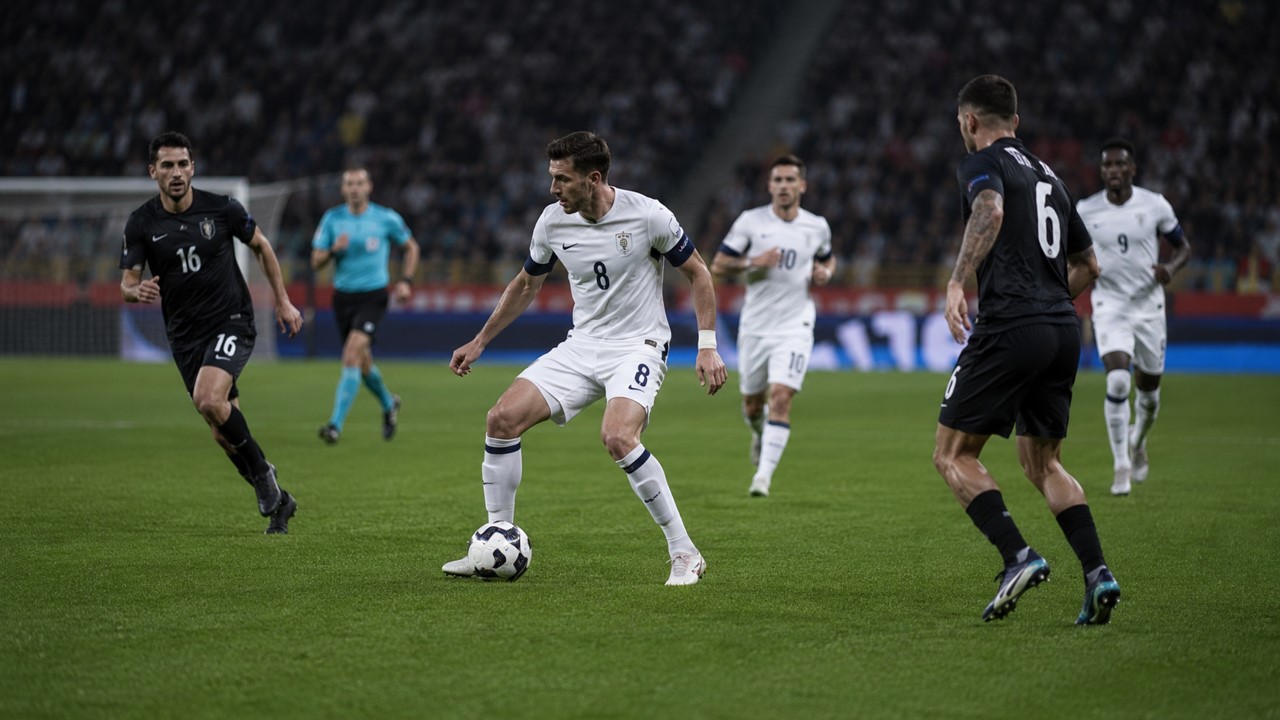
Sports performance

In slower phases of play, athletes can scan broadly and consider multiple options. Under time pressure, decisions are made from a narrower set of cues, with less opportunity to evaluate alternatives.
Time pressure does not just reduce how long you have to decide.
It changes how the decision is made.
As time becomes limited, it:
The result is a different decision structure—not simply a faster version of the same process.
When a decision becomes harder under time pressure, it is not only because time is running out.
It is because the structure of the decision has changed.
What feels like a loss of clarity is often a reflection of reduced pathways—fewer ways to interpret, evaluate, and act within the time available.
Welcome to the Research and Strategy Services at in today's fast-paced.
Pilots don’t just control where the aircraft is — they continuously anticipate where it is heading next. This article explores how prediction, workload management, and future-state awareness help pilots stay ahead of the aircraft.
Elite tennis returners do more than react quickly — they extract useful information before the ball is even struck. This article explores how anticipation, body cues, and rapid updating help players solve the return before the serve fully unfolds.
Elite athletes don’t need to look directly at everything to stay aware of a fast-changing play. This article explores how gaze and attention work together to monitor movement, spacing, and opportunity across the wider visual field.
NeuroTracker is one of the most widely researched cognitive training systems, used in elite sports, military, and human performance settings worldwide. Built on 20 years of neuroscience research.