

Welcome to the Research and Strategy Services at in today's fast-paced.
Small businesses in sports performance and rehab are increasingly investing in neurotechnology to differentiate their services. These tools can sharpen reaction times, enhance attention, support recovery, and provide measurable assessments for athletes and clients.
In this article, we’ll review four of the most recognized neurotech platforms — Senaptec Sensory Station, Reflexion, NeuroTrackerX, and Axon Sports — and highlight the strengths, weaknesses, and practical considerations for small businesses looking to expand their offerings.
Importantly, these technologies often work best when used in combination. For example, many sports performance coaches pair NeuroTracker with FitLight (or similar reaction-light systems like BlazePods) to effectively combine perceptual-cognitive training with fast physical drills.

Senaptec Sensory Station is a large touchscreen-based system that measures and trains multiple visual and sensorimotor skills such as reaction time, depth perception, and tracking.
Pros
Cons
Scores (1–10)
👉 Learn more: Senaptec Sensory Station
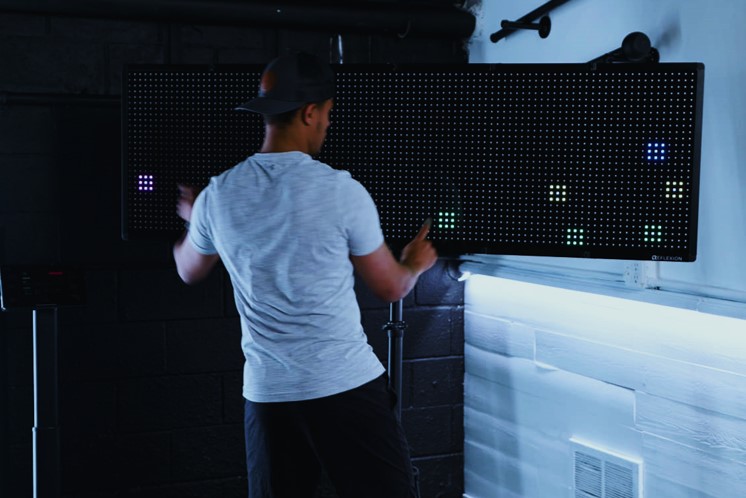
Reflexion is a lightboard and VR-based platform that trains quick reactions, coordination, and decision-making through interactive visual drills.
Pros
Cons
Scores (1–10)
👉 Learn more: Reflexion

NeuroTrackerX is a 3D multiple object tracking system designed to sharpen attention, awareness, and decision-making with short, adaptive cognitive training sessions.
Pros
Cons
Scores (1–10)
👉 Learn more: NeuroTracker
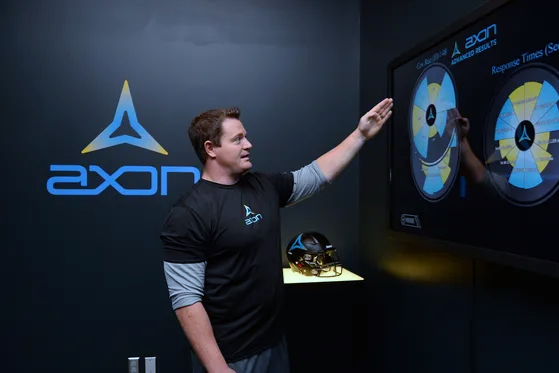
Axon Sports, also known as Axon Perform, is a computer-based program that uses sports-specific scenarios to train decision speed, pattern recognition, and anticipation for athletes.
Pros
Cons
Scores (1–10)
👉 Learn more: Axon Sports

For many small sports businesses, the winning approach is a combination:
Q: How do these neurotech tools differ from each other?
A: Each tool emphasizes different aspects of performance — for example, NeuroTracker trains attention and awareness, Senaptec focuses on visual-sensory assessments, Reflexion emphasizes reaction and coordination, and Axon Sports targets sport-specific decision-making.
Q: Can these systems replace traditional training or rehab?
A: No — they are designed to complement physical, technical, and medical training. Most performance centers use them as an additional layer to enhance outcomes, not as a replacement.
Q: Are these technologies suitable for small sports businesses?
A: Yes, but budget and space matter. Portable systems like Reflexion and NeuroTracker are easier to integrate, while larger stations like Senaptec require more investment and infrastructure.
Q: Do athletes benefit more from one tool than another?
A: It depends on the athlete’s goals. A concussion recovery client may benefit most from measurement-rich platforms like Senaptec or NeuroTracker, while a healthy athlete might prefer reaction-focused systems like Reflexion.
Q: Should athletes or clinics combine different neurotech tools?
A: Often, yes. Many centers see the best results by combining tools — for example, using NeuroTracker for cognitive load, plus FitLight or BlazePods for reactive drills.
Welcome to the Research and Strategy Services at in today's fast-paced.
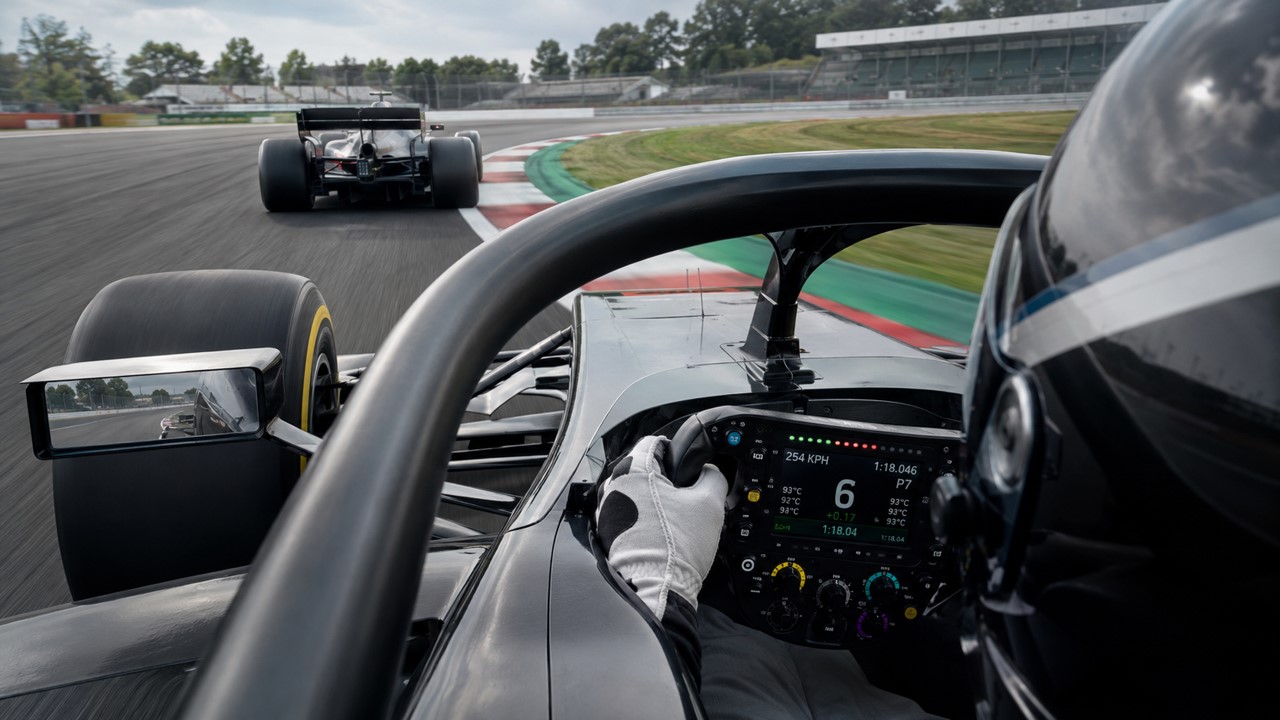
At Formula 1 speeds, performance depends on far more than fast reactions. This article explores how elite drivers prioritize information, anticipate what comes next, and continuously update the race at extreme speed.
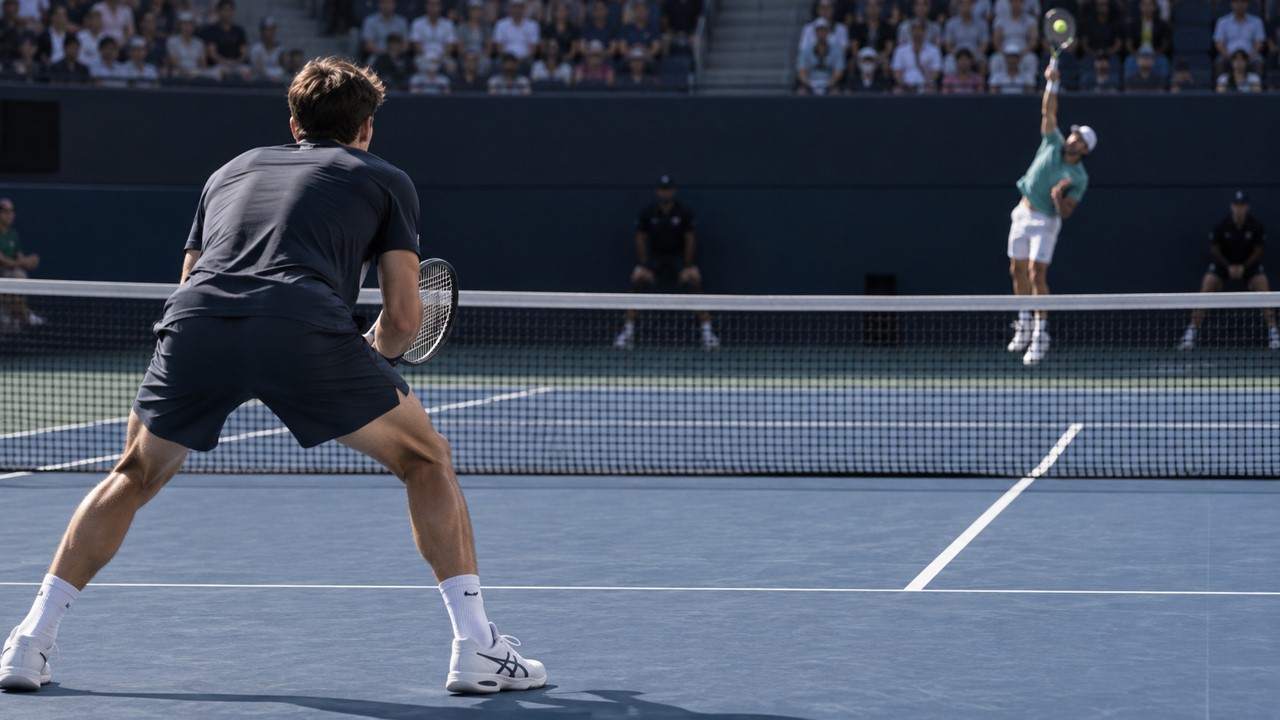
Elite tennis returners do more than react quickly — they extract useful information before the ball is even struck. This article explores how anticipation, body cues, and rapid updating help players solve the return before the serve fully unfolds.
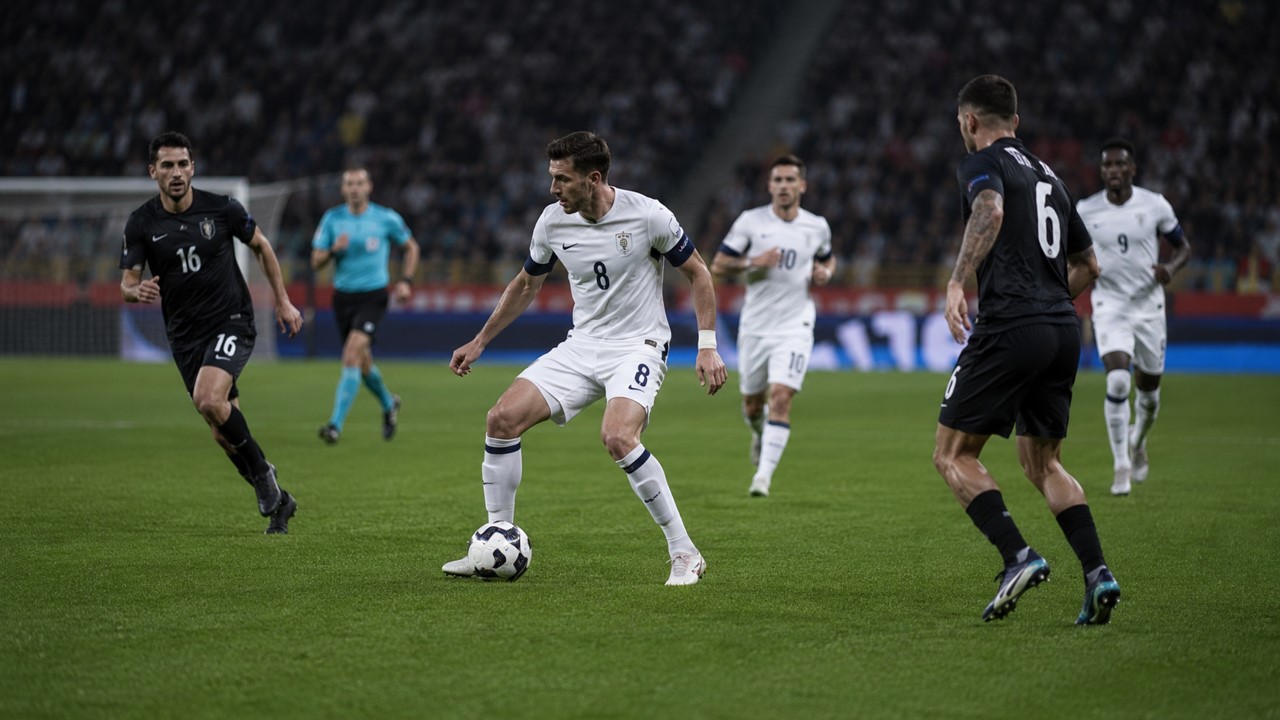
Elite athletes don’t need to look directly at everything to stay aware of a fast-changing play. This article explores how gaze and attention work together to monitor movement, spacing, and opportunity across the wider visual field.
NeuroTracker is one of the most widely researched cognitive training systems, used in elite sports, military, and human performance settings worldwide. Built on 20 years of neuroscience research.