


Welcome to the Research and Strategy Services at in today's fast-paced.
Decision-making—the ability to assess a situation and choose the best course of action quickly—is a skill that separates elite athletes from the rest. Whether it's reacting to an opponent's move or capitalizing on an opportunity, great decision-making can change the course of a game. As LeBron James famously said,
"You have to be able to think and react at the same time. That's what makes you special."
Here are the top 5 sports where decision-making is paramount.

Basketball is a sport of constant movement, requiring players to make split-second decisions about passing, shooting, or driving to the basket. Point guards, like LeBron James and Chris Paul, excel at reading defenses and choosing the best option in real-time. Their decision-making under pressure is a key factor in their success.

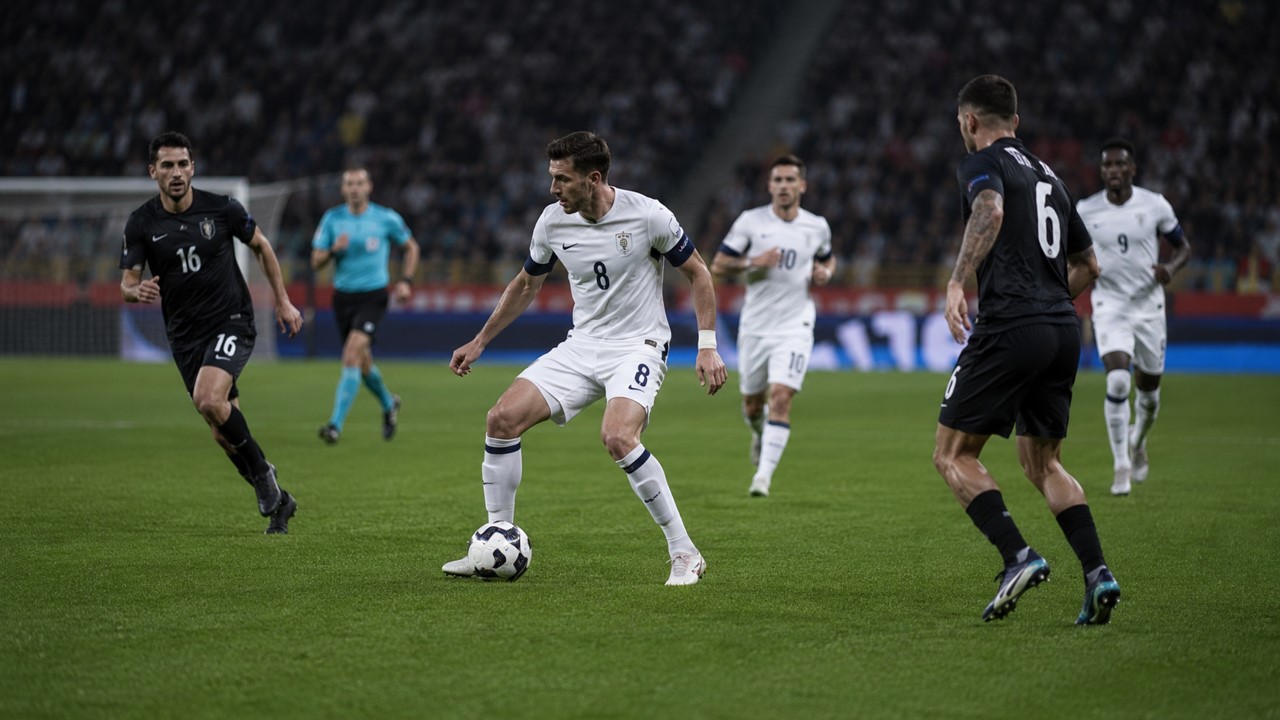
Soccer players must process an ever-changing field of play, deciding whether to pass, dribble, or shoot within seconds. Strikers like Lionel Messi have an uncanny ability to read defenses and make the right decisions, often resulting in game-changing goals or assists.

Hockey is one of the fastest sports, with players needing to make decisions at lightning speed. Whether it’s a forward deciding to shoot or pass, or a goalie reading an opponent’s movements, decision-making is crucial. Wayne Gretzky’s ability to anticipate and react to plays made him one of the greatest players of all time.

Tennis players make dozens of decisions in a single rally, from choosing shot placement to deciding whether to attack or defend. Roger Federer’s strategic decision-making, such as recognizing opponents’ weaknesses mid-match, has been a cornerstone of his legendary career.

Quarterbacks in football are the epitome of rapid decision-makers. They must read defensive setups, choose the best target, and release the ball in under three seconds. Tom Brady’s ability to make the right decision under immense pressure has been a defining trait of his career.

While rapid decision-making is critical in these five sports, it’s a skill that benefits athletes across all disciplines. Improving this ability enhances performance, reduces errors, and increases confidence.
NeuroTracker offers a proven way to develop decision-making skills by training the brain to process information faster and more effectively. Trusted by elite teams and athletes, NeuroTracker helps refine the cognitive processes behind quick and accurate decisions.
Ready to elevate your decision-making skills? Sign up now to learn how NeuroTracker can transform your performance.
Welcome to the Research and Strategy Services at in today's fast-paced.
Pilots don’t just control where the aircraft is — they continuously anticipate where it is heading next. This article explores how prediction, workload management, and future-state awareness help pilots stay ahead of the aircraft.
Elite tennis returners do more than react quickly — they extract useful information before the ball is even struck. This article explores how anticipation, body cues, and rapid updating help players solve the return before the serve fully unfolds.
Elite athletes don’t need to look directly at everything to stay aware of a fast-changing play. This article explores how gaze and attention work together to monitor movement, spacing, and opportunity across the wider visual field.
NeuroTracker is one of the most widely researched cognitive training systems, used in elite sports, military, and human performance settings worldwide. Built on 20 years of neuroscience research.