
Welcome to the Research and Strategy Services at in today's fast-paced.
In fast-paced environments like sports, driving, or even everyday life, the ability to read the play and act decisively often makes the difference between success and failure. This ability is known as situational awareness — the skill of noticing critical details, interpreting what they mean, and anticipating what comes next.
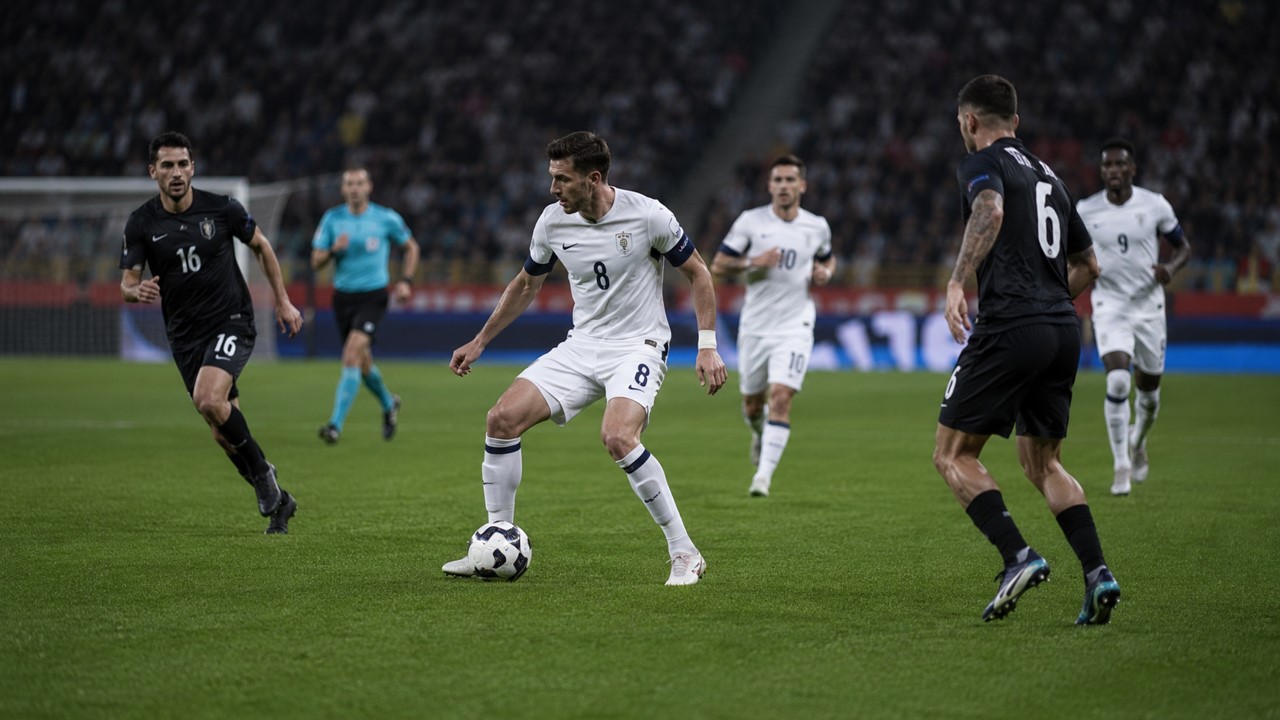
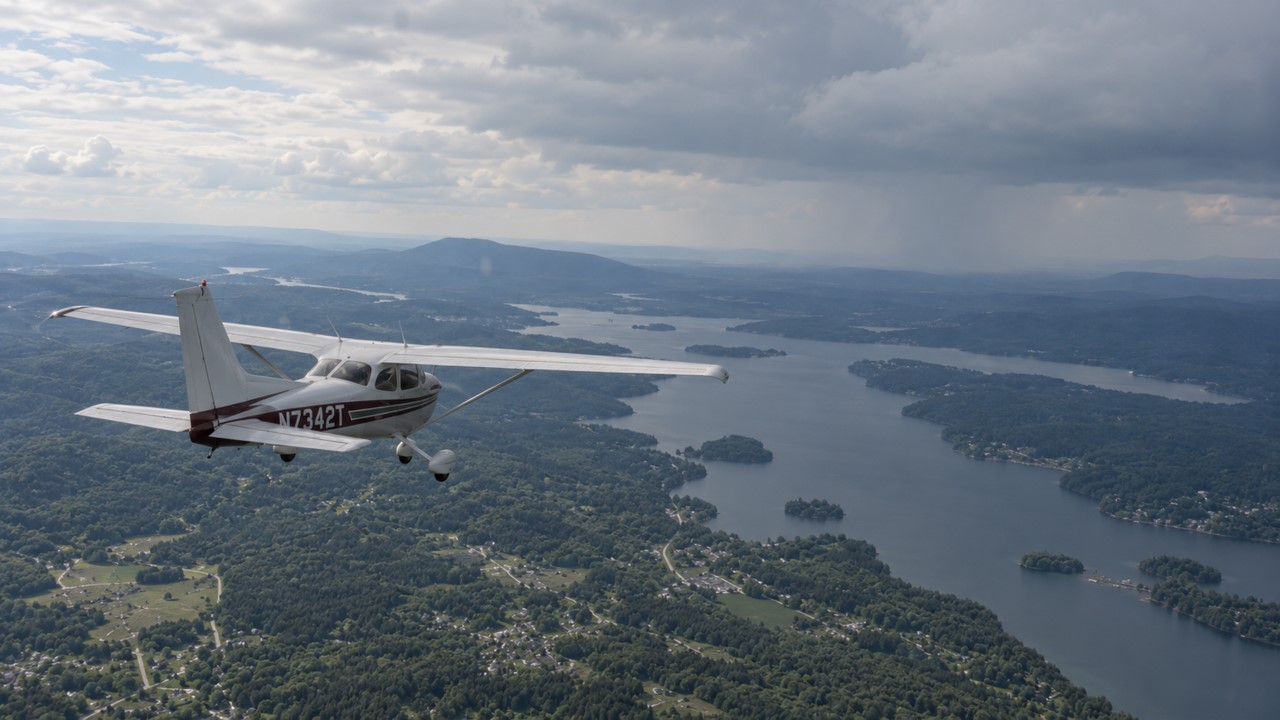
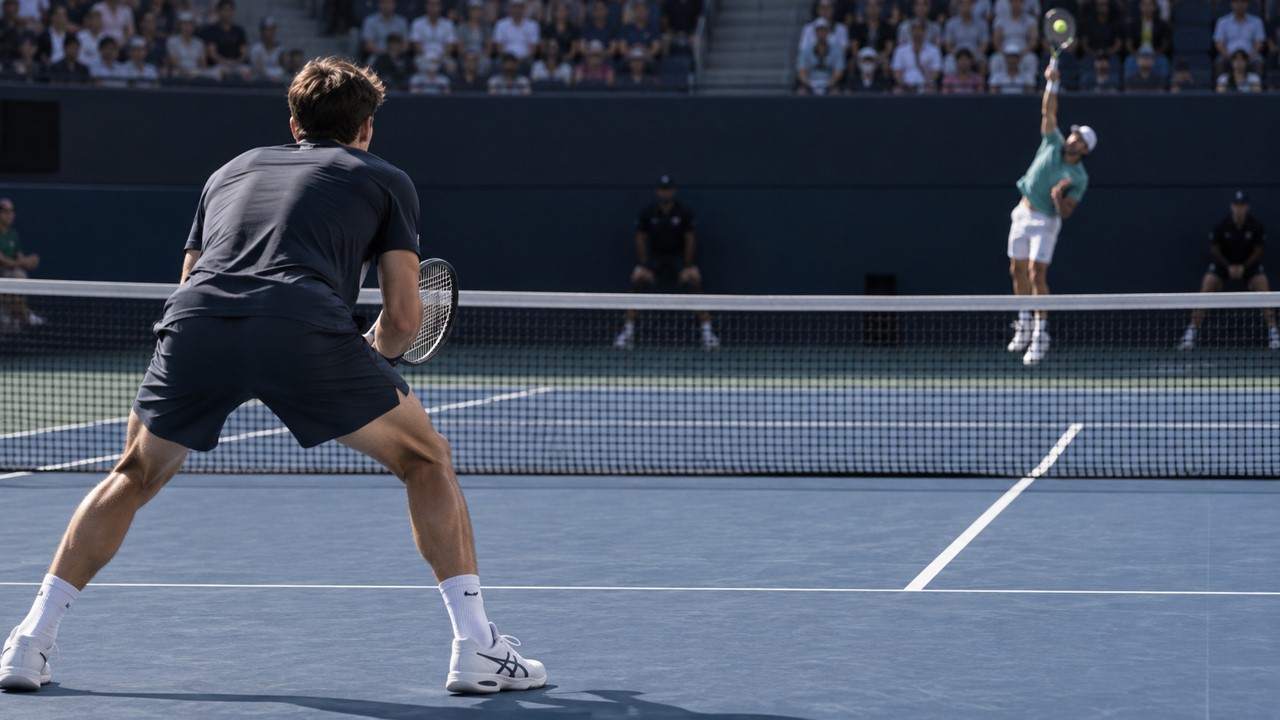
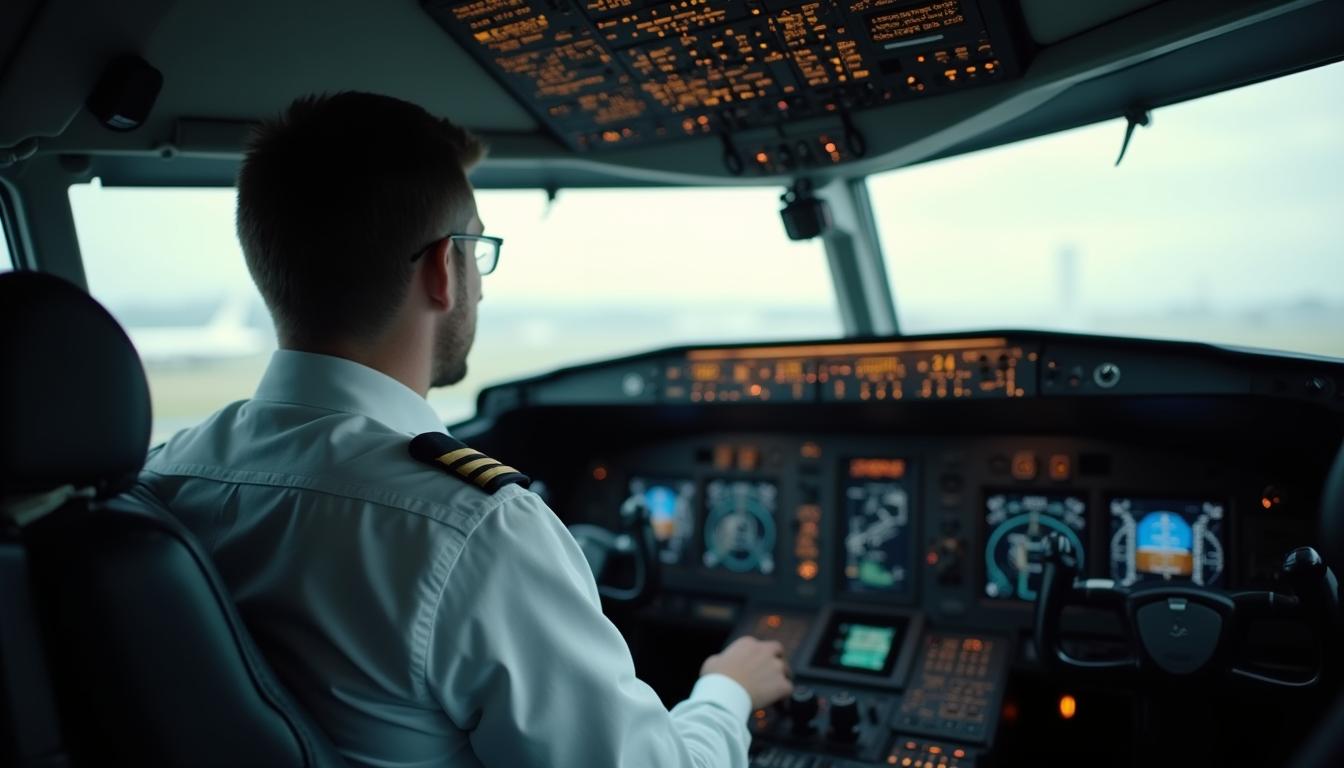
For athletes, strong situational awareness can mean spotting an opponent’s move early. For pilots, it can mean staying alert to multiple cues under high stress. And for everyday people, it helps us navigate safely and make smarter choices.
Situational awareness combines three core processes:
It’s not just about vision — it’s about attention, working memory, and decision-making under pressure.
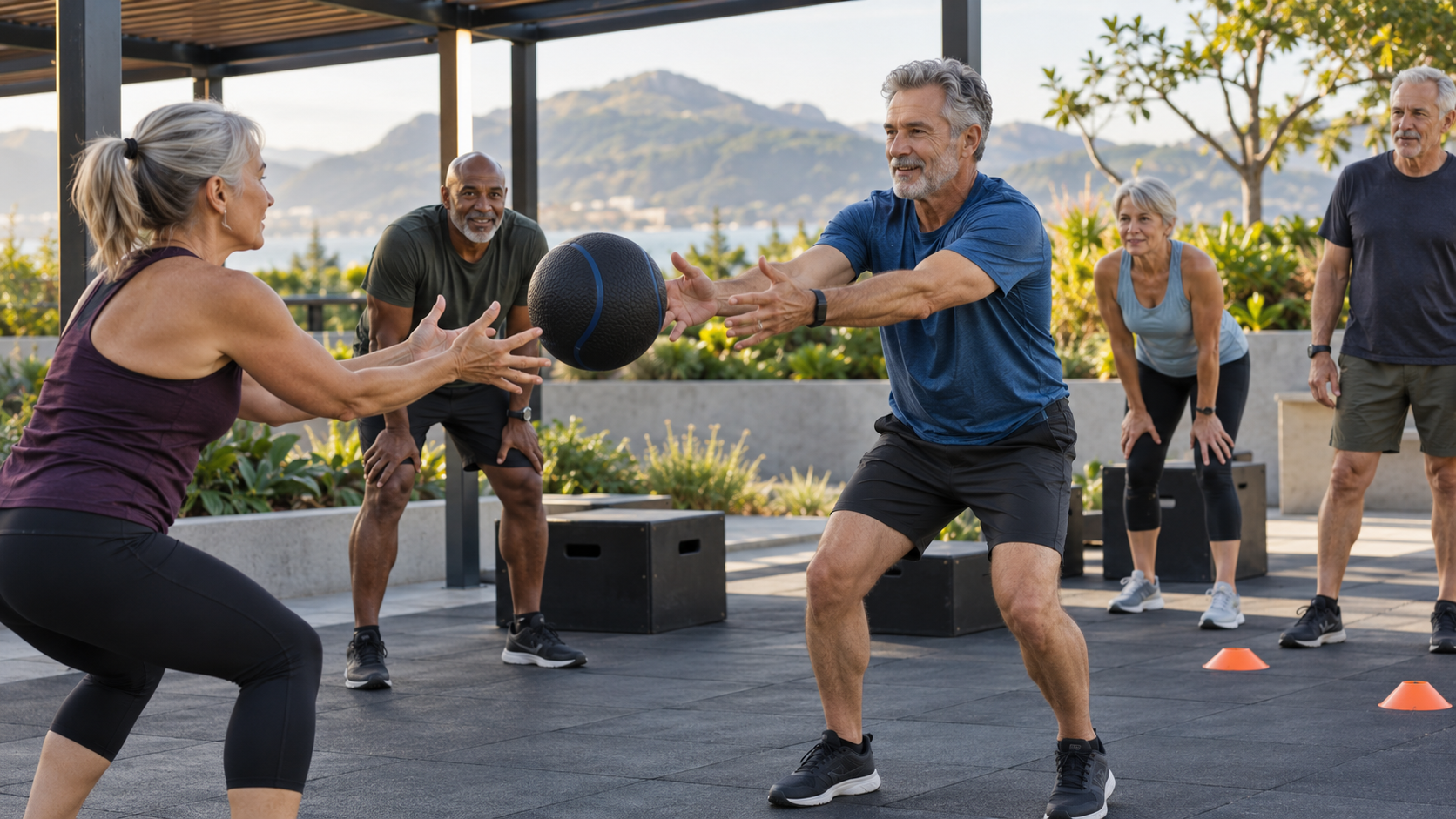
Coaches and trainers often use on-field drills to sharpen awareness, such as:
These are powerful methods, but they can be limited in how much they challenge the brain itself. However, these methods don’t directly strengthen the underlying cognitive systems that drive awareness, leaving an opportunity for more targeted approaches.
Modern science shows that awareness is built on underlying cognitive functions: sustained attention, divided attention, processing speed, and working memory. Training these functions directly can boost performance in ways traditional drills can’t.
Examples include:

One of the most validated tools for situational awareness training is NeuroTracker, a 3D perceptual-cognitive system developed at the University of Montreal.
NeuroTracker challenges users to track multiple moving objects in a 3D space, while gradually increasing speed and complexity. This directly engages the attentional control and dynamic awareness skills that underpin situational awareness.
Beyond training, NeuroTracker also provides an objective scientific measure of these skills, allowing coaches and professionals to track progress over time. This dual role — as both a training tool and a benchmark — makes it uniquely valuable for building and monitoring situational awareness.
What makes it stand out further is the scientific validation: over 120 peer-reviewed studies have shown NeuroTracker can improve focus, decision-making speed, mental stamina, and cognitive resilience — all critical for situational awareness. It is used by elite athletes, military units, and clinicians worldwide.
If you want to build situational awareness into your programs, try combining field drills with cognitive approaches:
Situational awareness isn’t just a natural talent — it’s a trainable skill. By combining traditional drills with cognitive training systems like NeuroTracker, athletes and professionals can build the perception, attention, and decision-making abilities they need to excel under pressure.
Situational awareness can be trained — and when it is, performance, safety, and confidence all rise.
Lee Sidebottom also writes regularly on neuroscience and sports science on LinkedIn
Welcome to the Research and Strategy Services at in today's fast-paced.
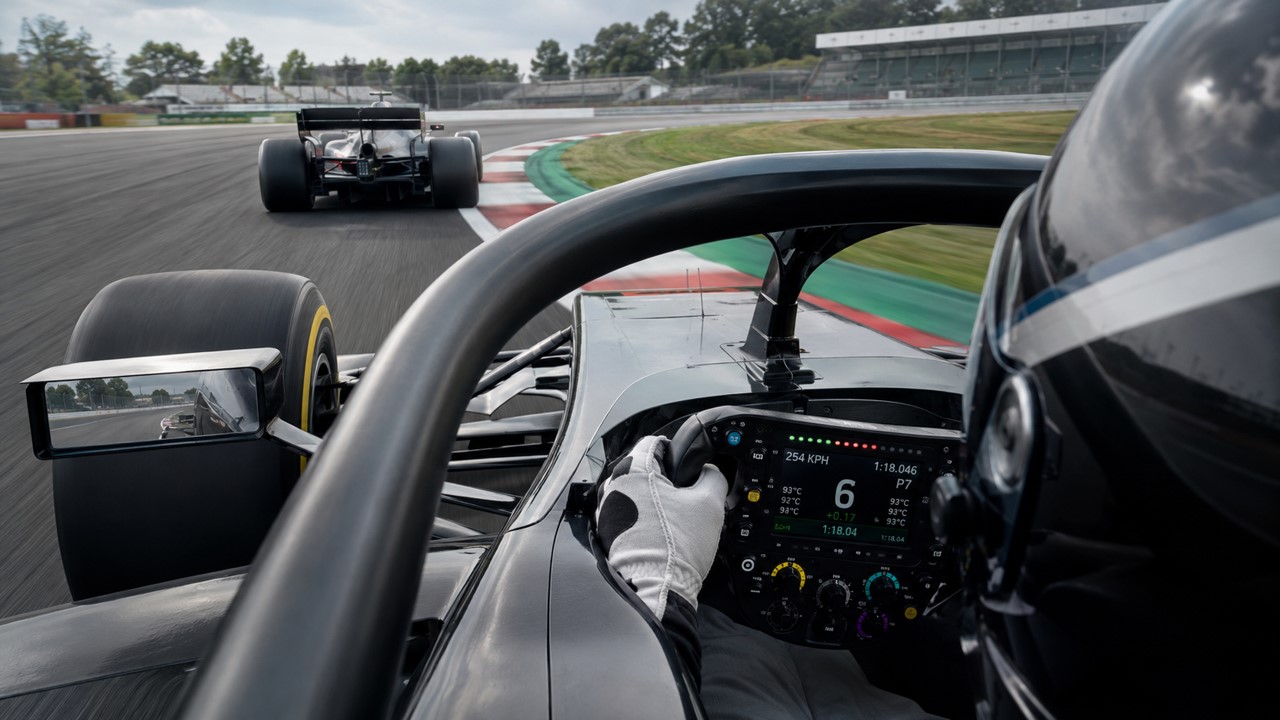
At Formula 1 speeds, performance depends on far more than fast reactions. This article explores how elite drivers prioritize information, anticipate what comes next, and continuously update the race at extreme speed.
Elite tennis returners do more than react quickly — they extract useful information before the ball is even struck. This article explores how anticipation, body cues, and rapid updating help players solve the return before the serve fully unfolds.
Elite athletes don’t need to look directly at everything to stay aware of a fast-changing play. This article explores how gaze and attention work together to monitor movement, spacing, and opportunity across the wider visual field.
NeuroTracker is one of the most widely researched cognitive training systems, used in elite sports, military, and human performance settings worldwide. Built on 20 years of neuroscience research.