

Welcome to the Research and Strategy Services at in today's fast-paced.
One of the main things that determines how good a player is in a given sport is their reaction time. Reaction time depends on many factors. One of the aspects that can help determining reaction time is how quickly the brain interprets information it receives, and how rapidly it sends out orders to active motor skills. The first part of the process is known in the scientific community as visual information processing speed. What is actually like to see a super fast serve is really surprising.
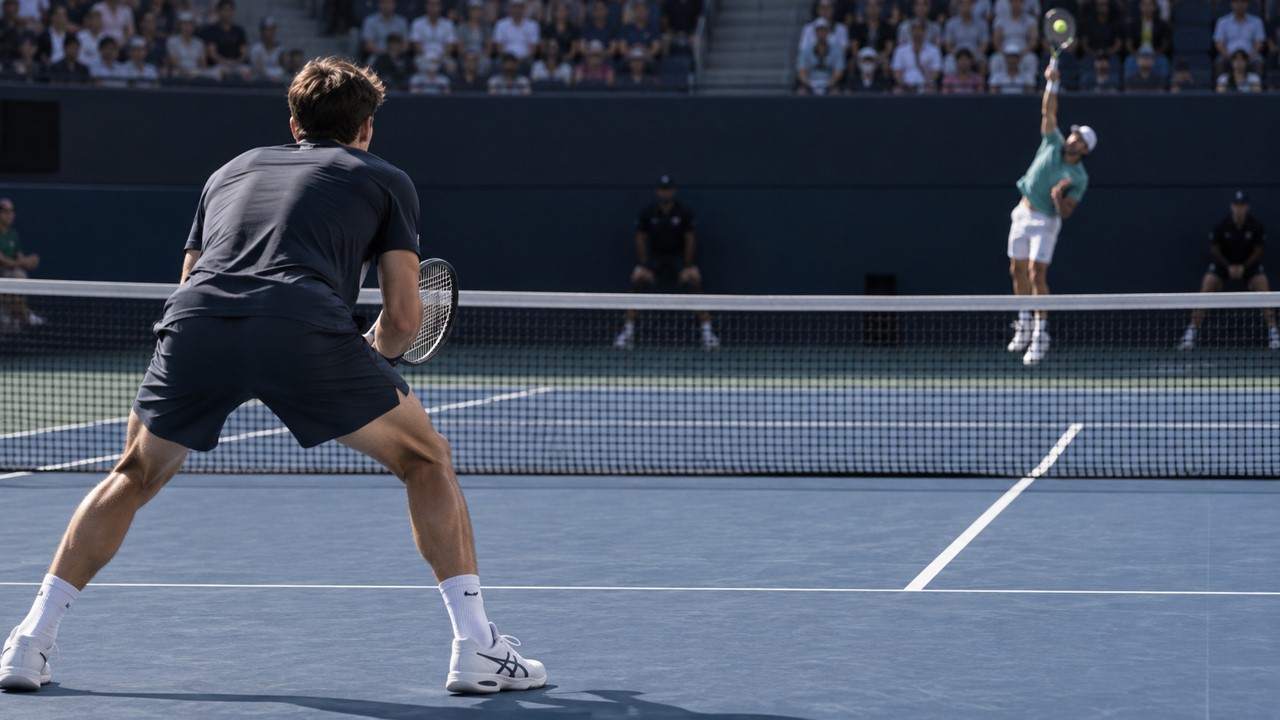
The fastest tennis serve on record is held by Australian tennis player Samuel Groth, when he hit a serve reaching 263 kph/163.4 mph (Source: Guinness World Records).

As you can see in the video, a 150 mph serve can be quite difficult to return. A player on the receiving side of the court not only needs to have the skills to be able to return the ball in a very short decision-making moment, but he also has to anticipate where it's going. In fact the ball moves faster than conscious perception can manage to execute a reaction. This means that tennis players have to initially return serves unconsciously, the consciousness catches up.
Both of these tasks could challenge the brain's cognitive functions beyond regular day-to-day activities. This is where perceptual-cognitive training might be able to help. In a recent study, a group of researchers were able to provide some evidence that perceptual-cognitive training has the potential to improve attention, working memory, visual information processing speed and other executive functions.
The video above provides an extra understanding of the challenges tennis players go through during a match.
Welcome to the Research and Strategy Services at in today's fast-paced.
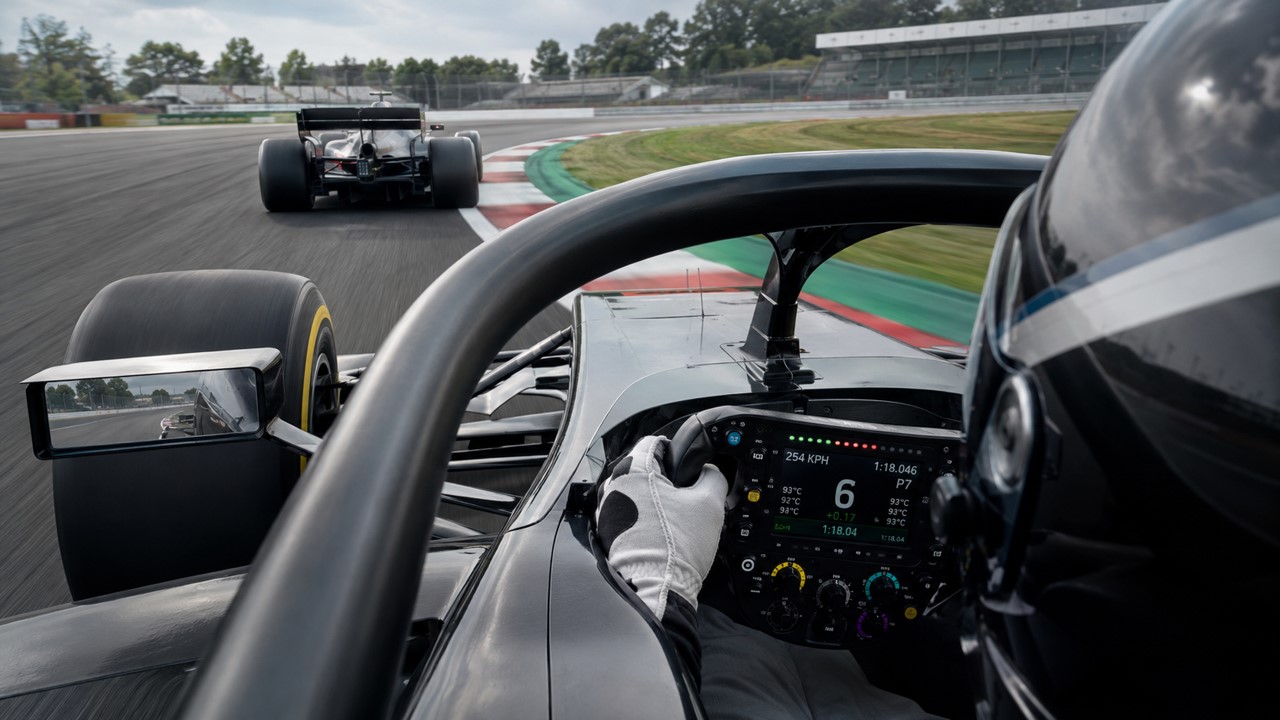
At Formula 1 speeds, performance depends on far more than fast reactions. This article explores how elite drivers prioritize information, anticipate what comes next, and continuously update the race at extreme speed.
Elite tennis returners do more than react quickly — they extract useful information before the ball is even struck. This article explores how anticipation, body cues, and rapid updating help players solve the return before the serve fully unfolds.
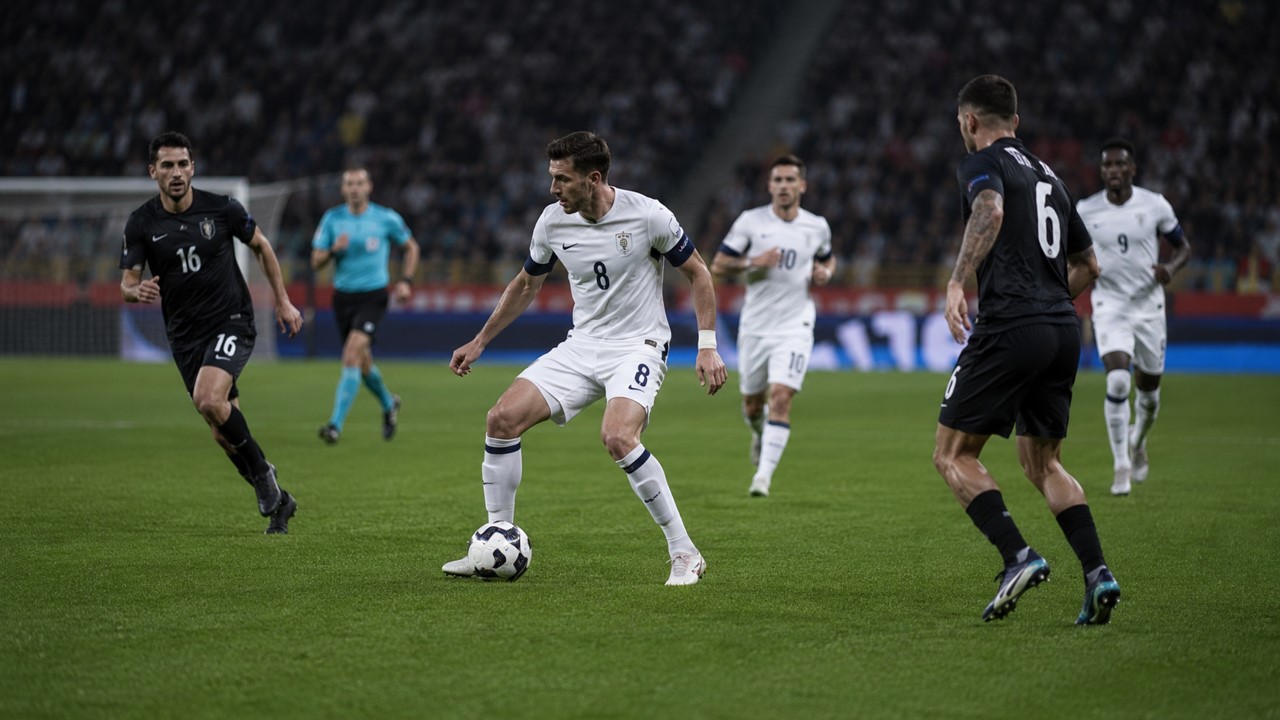
Elite athletes don’t need to look directly at everything to stay aware of a fast-changing play. This article explores how gaze and attention work together to monitor movement, spacing, and opportunity across the wider visual field.
NeuroTracker is one of the most widely researched cognitive training systems, used in elite sports, military, and human performance settings worldwide. Built on 20 years of neuroscience research.