


Welcome to the Research and Strategy Services at in today's fast-paced.
According to Statistics Canada, 1 in 4 Canadian workers report being highly stressed at work. If work is going to be an essential part of our lives, how can we increase our performance so that our output is higher? One method that can be followed is to add a cognitive training element in employee training. One discipline of cognitive training is multiple object tracking. Multiple object tracking might be the new revolution in employee training that would enable workers to perform at a higher level.
Multiple object tracking could actually assist workers to channel their mental focus, visual information processing speed, concentration and awareness in the right direction to obtain good results at their work and projects. The consistency of your performance depends on the types of methods used to leverage your stamina and endurance levels during a long working day.
Multiple object tracking training can be geared towards boosting cognitive performance of employees by improving their attention span in a competitive environment. In a recent study examining the effects of MOT (multiple object tracking) training on attention, working memory, and visual information processing speed, twenty university-aged students were divided into a training (NT) and nonactive control (CON) group. Cognitive functions were tested using neuropsychological tests. Additionally, associated brain functions were measured through quantitative electroencephalography (qEEG). Results showed that 10 sessions of MOT training can boost attention, sharpen visual information speed, and working memory.
Studies have shown that multiple object tracking can provide a significant impact on cognitive performance. Professional people can aspire to improve their results especially when making crucial decisions in a fast-paced environment while multitasking. As you get older, staying on top of your game with cognitive training can also ensure that your output remains high even if you are facing some natural healthy aging effects.
In addition, some evidence has been shown that multiple object tracking can have a positive effect on mental fatigue resistance. This can be a significant discovery as there are many instances in which mental fatigue can have very and sometimes dangerous negative results on performance. A prime example of such events happen with pilots, which is why there are currently strict regulations on flying and working hours for pilots. You can see a list of the many studies that relate mental fatigue to pilot error by clicking HERE.
Welcome to the Research and Strategy Services at in today's fast-paced.
Elite tennis returners do more than react quickly — they extract useful information before the ball is even struck. This article explores how anticipation, body cues, and rapid updating help players solve the return before the serve fully unfolds.
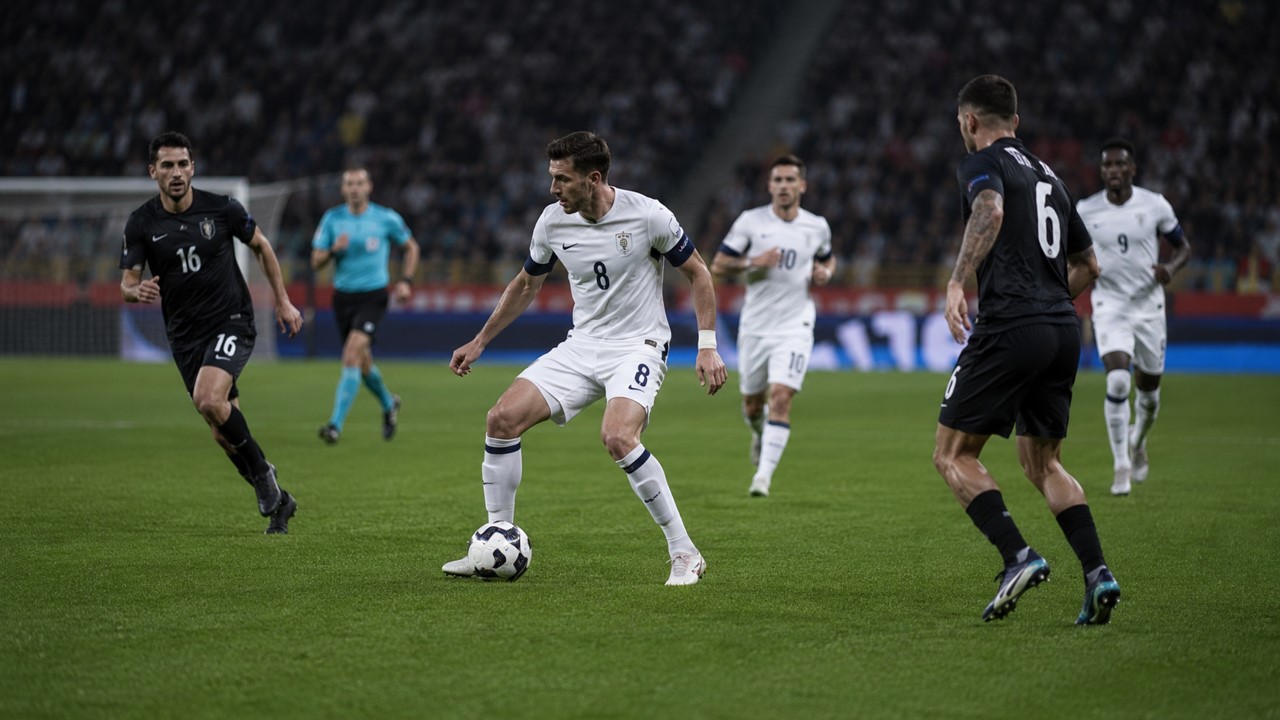
Elite athletes don’t need to look directly at everything to stay aware of a fast-changing play. This article explores how gaze and attention work together to monitor movement, spacing, and opportunity across the wider visual field.
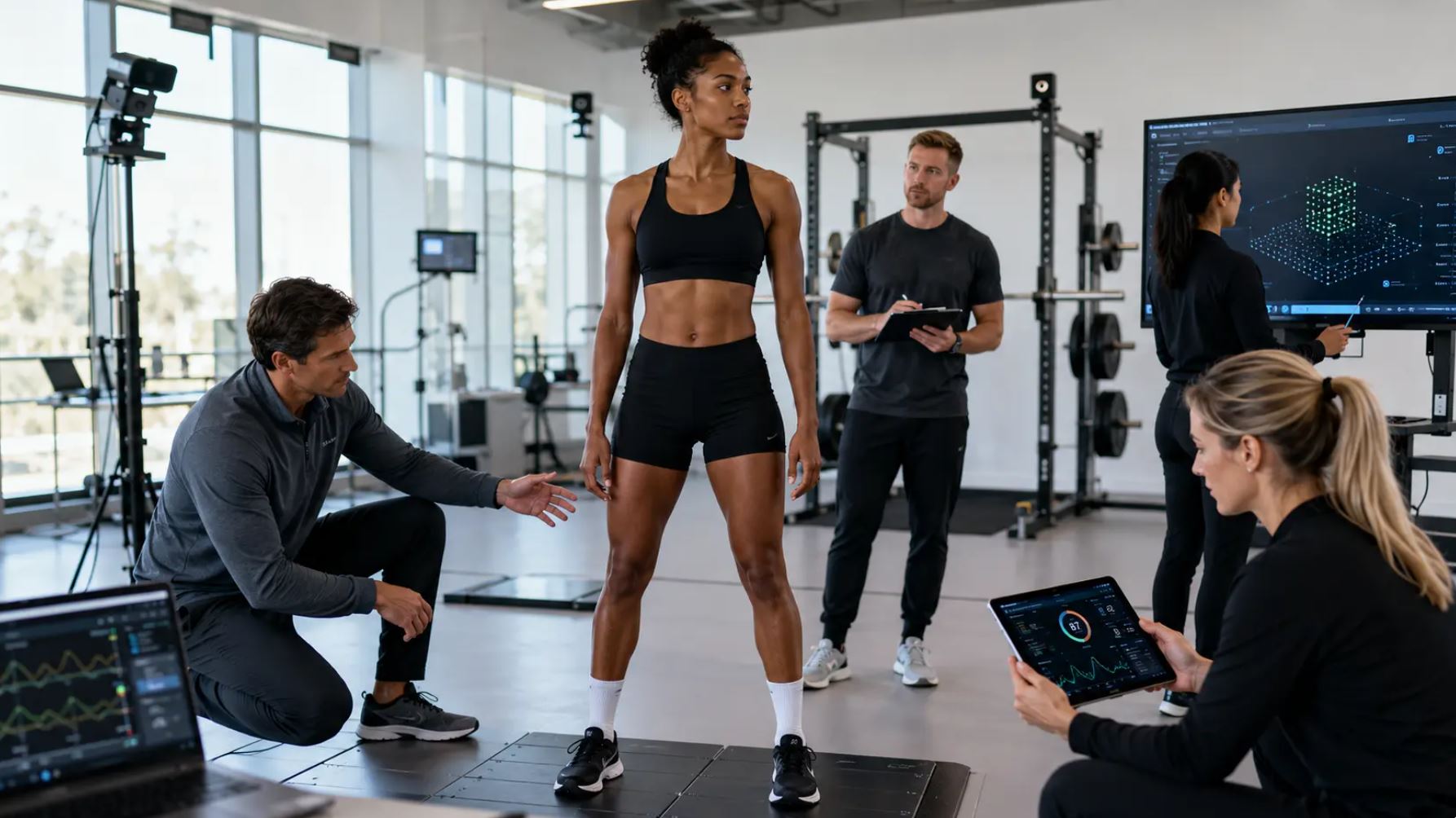
Learn how modern sports medicine extends beyond treating isolated injuries with multidimensional rehabilitation approaches.
NeuroTracker is one of the most widely researched cognitive training systems, used in elite sports, military, and human performance settings worldwide. Built on 20 years of neuroscience research.