

Welcome to the Research and Strategy Services at in today's fast-paced.
You’re looking directly at something. A person walks into the room. A sign changes. Someone says your name. An object sits right in front of you.
And somehow, you still miss it.
Not because you weren’t awake. Not because you weren’t paying attention. In many cases, you were actively focused on something else at that exact moment.
This is a surprisingly common experience.
People often assume that if something is clearly visible, it should automatically be noticed. If it happened “right in front of you,” it can feel impossible that it was missed at all.
But visibility and awareness are not the same thing.
It’s natural to think that seeing something should be enough to notice it.
If your eyes are open and directed toward the scene, the information appears available. From that perspective, missing something obvious can feel like carelessness or distraction.
This creates a simple assumption:
But real-world environments contain far more information than can be processed at once.
As a result, attention must constantly filter what enters active awareness.

Attention is not just concentration.
It is selection.
At any given moment, the environment contains:
Only a small portion of this information is actively processed.
Attention determines:
This means something can occur directly in front of you without being consciously registered.
The information was available visually.
But it was not selected for processing.
This becomes more likely when attention is already committed to another task, object, or interpretation.
The environment does not arrive in awareness all at once.
It is filtered continuously.
In hindsight, missed information often feels obvious because the answer is already known.
Once attention shifts toward the missed detail, it becomes difficult to imagine how it was overlooked.
But during the original moment:
What enters awareness depends not only on visibility, but also on relevance to the current focus of attention.
This means awareness is shaped by:
Not simply by what is present in the scene.

Driving
A driver focused on traffic flow or navigation may fail to notice a pedestrian, sign, or vehicle movement that was physically visible the entire time.
Conversations
During a discussion, someone may miss a word, facial expression, or social cue because their attention is focused on preparing a response or interpreting another part of the interaction.
Sports performance
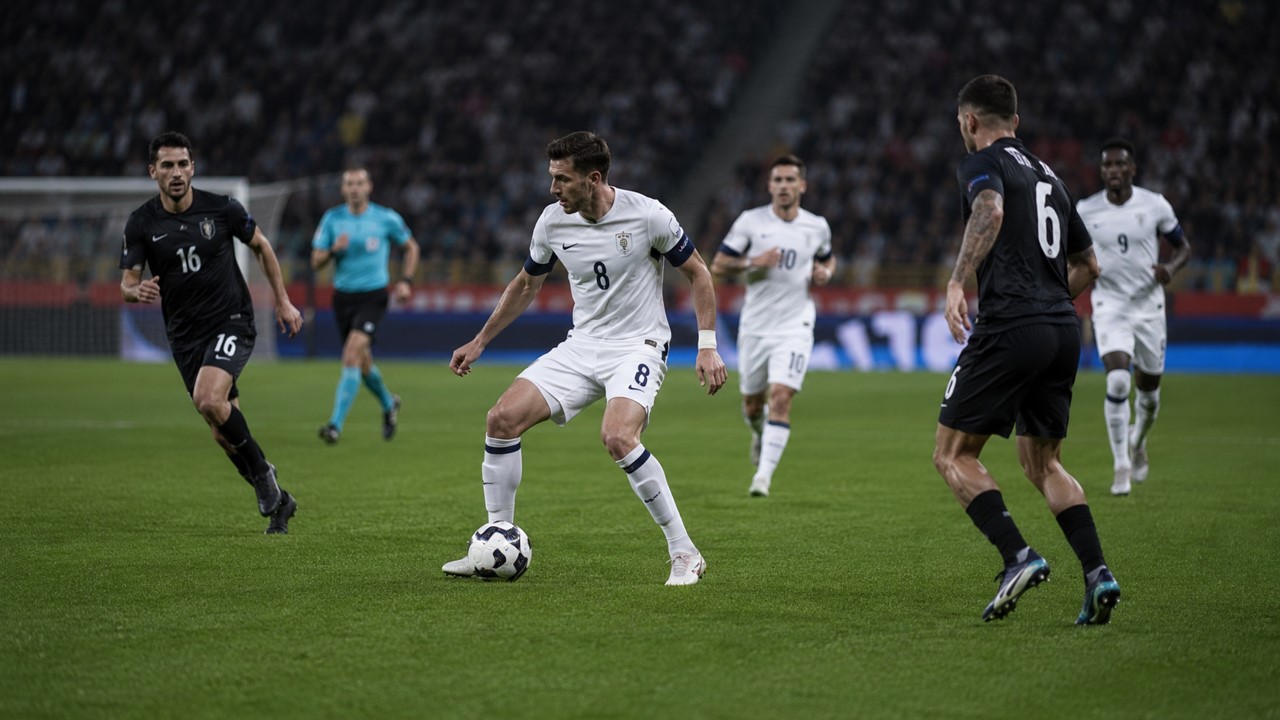
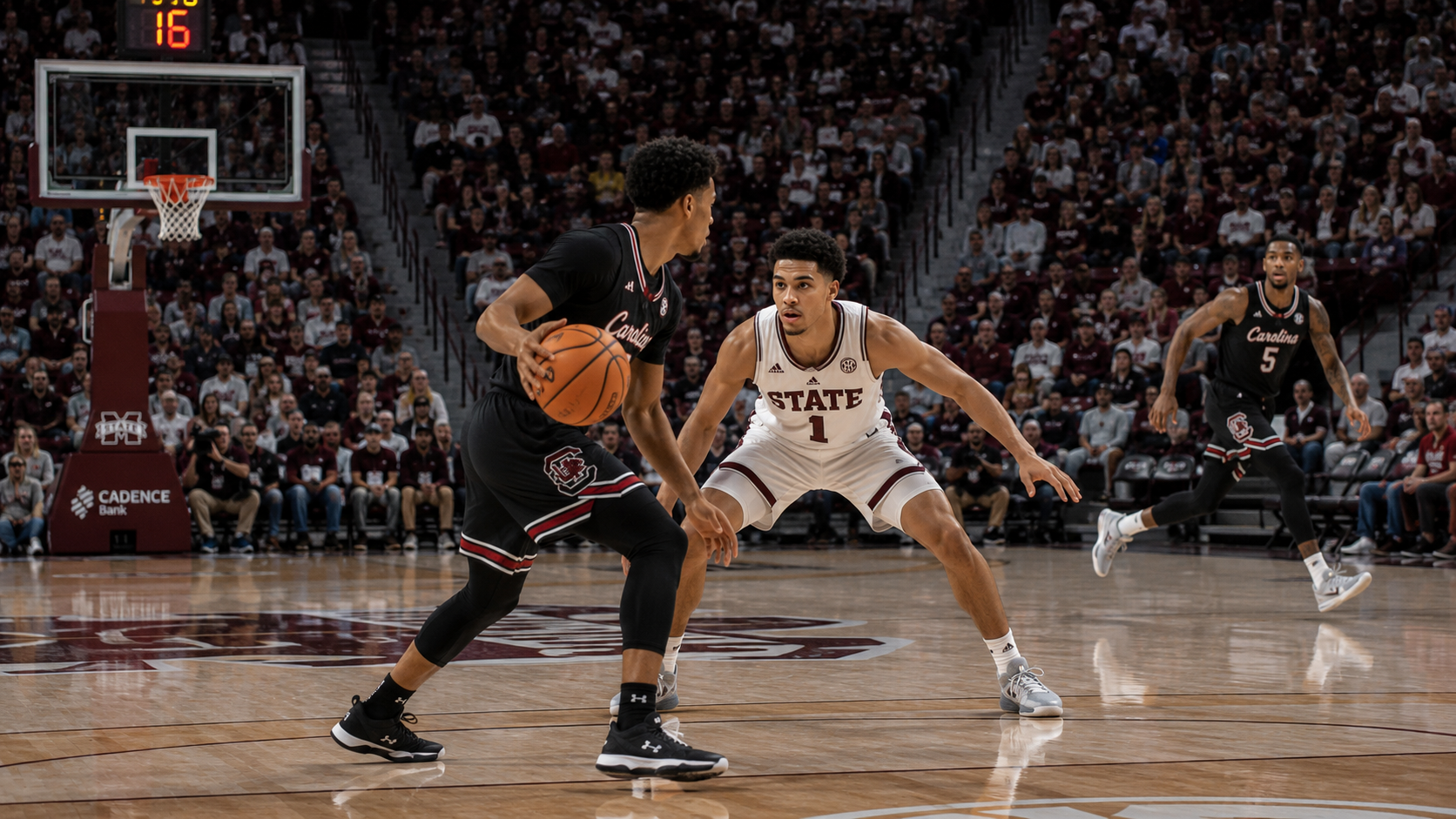
An athlete tracking the ball or an opponent may miss another player moving into space nearby, even though the movement occurred within their visual field.
Digital environments
People often overlook notifications, buttons, or changes on a screen because attention is focused on a specific task or area of the interface.
Everyday situations
You may search for an object that is directly in front of you because your attention is focused on what you expect the object to look like or where you expect it to be.
Seeing something is not the same as processing it.
Attention continuously filters the environment, selecting only part of the available information for active awareness.
As a result:
The important question is not simply what was visible.
It is what the mind was prepared to process at that moment.
When someone misses something obvious, it can seem surprising in hindsight.
But awareness is not a complete recording of the environment.
It is a filtered interpretation shaped by attention, context, and current goals.
What happens in front of you is not always what enters awareness.
Welcome to the Research and Strategy Services at in today's fast-paced.
Pilots don’t just control where the aircraft is — they continuously anticipate where it is heading next. This article explores how prediction, workload management, and future-state awareness help pilots stay ahead of the aircraft.
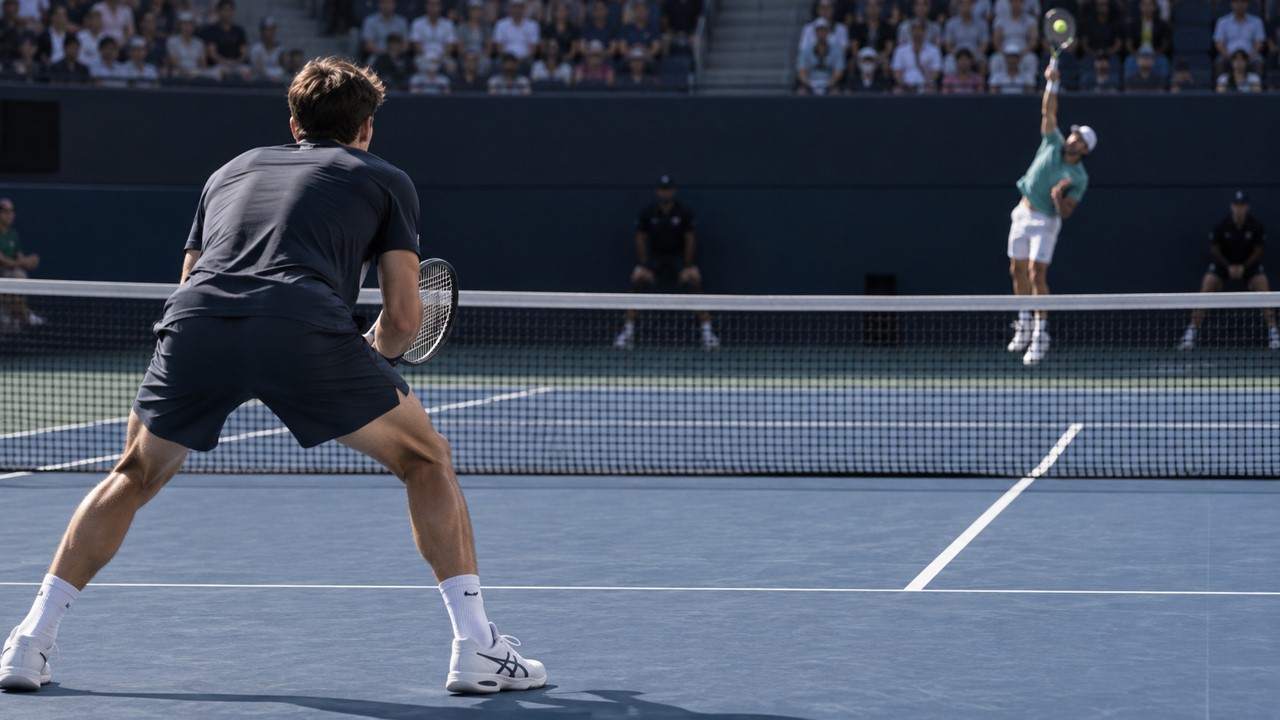
Elite tennis returners do more than react quickly — they extract useful information before the ball is even struck. This article explores how anticipation, body cues, and rapid updating help players solve the return before the serve fully unfolds.
Elite athletes don’t need to look directly at everything to stay aware of a fast-changing play. This article explores how gaze and attention work together to monitor movement, spacing, and opportunity across the wider visual field.
NeuroTracker is one of the most widely researched cognitive training systems, used in elite sports, military, and human performance settings worldwide. Built on 20 years of neuroscience research.