



Welcome to the Research and Strategy Services at in today's fast-paced.
You follow the instructions exactly. You read the steps, complete them in order, and do what they say. Nothing is skipped. Nothing is ignored.
But the result is still wrong.
This can happen when assembling furniture, filling out a form, following a recipe, completing a work process, or using a new piece of software.
The common assumption is that correct execution should guarantee the correct outcome.
But instructions do not operate in isolation. They have to be interpreted within a situation.
Instructions feel reliable because they seem to remove uncertainty.
They provide a sequence:
When something goes wrong, it is natural to assume the instructions were not followed properly.
And often, that is true.
But sometimes the issue is not execution.
It is interpretation.
The person may follow the instruction exactly as written, while applying it to the wrong part, the wrong version, the wrong context, or the wrong moment in the process.
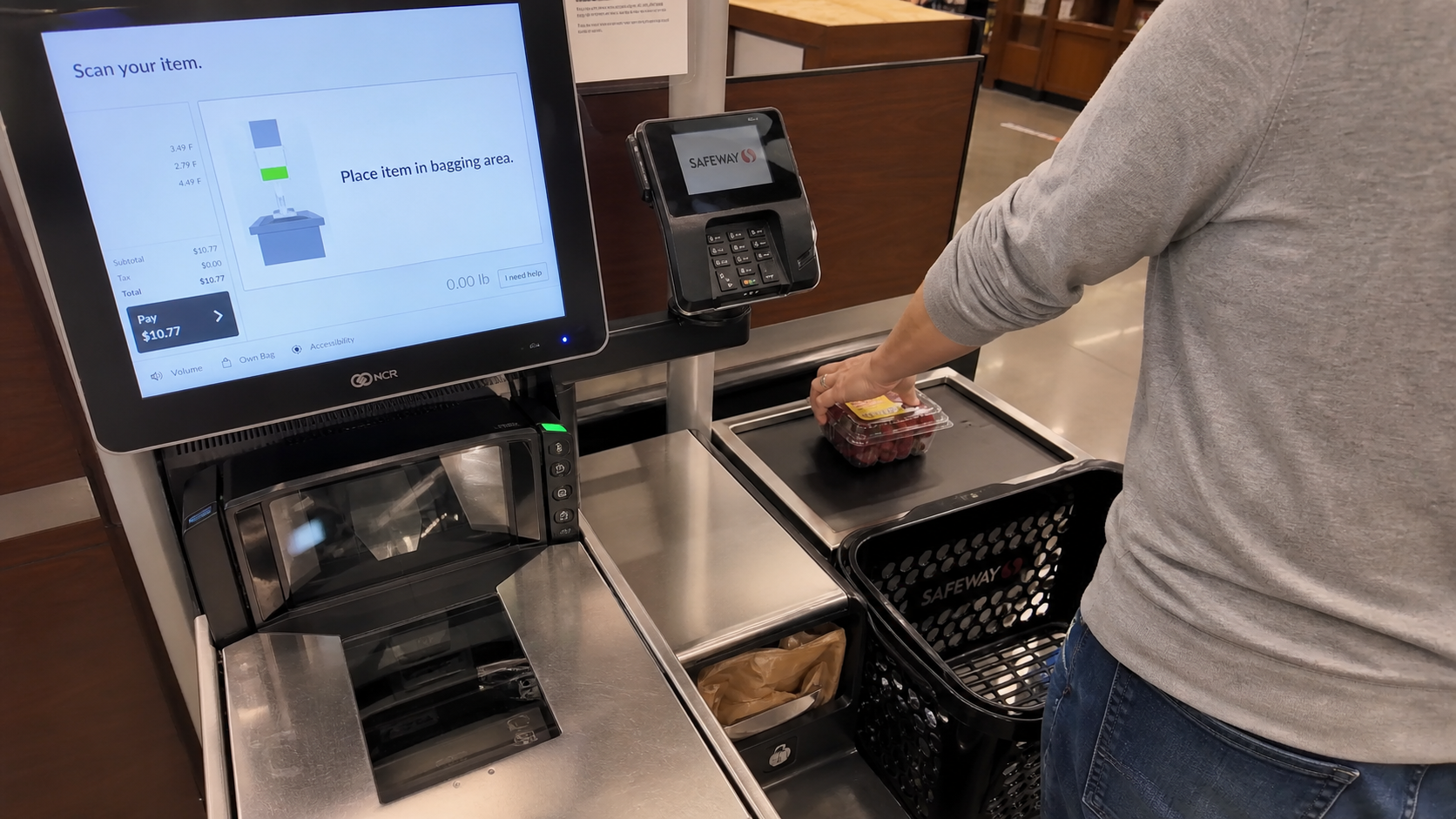
Instructions depend on situational cues.
A step only makes sense when the person knows what it refers to in the current situation.
For example:
The instruction may be clear in wording but still uncertain in context.
This is where mistakes can occur.
The action is correct according to the instruction, but incorrect according to the situation.
In other words, the instruction was followed—but mapped to the wrong cue.

Following instructions is not just reading and acting.
It involves matching written or spoken directions to the current environment.
That means the result depends on:
If the context changes slightly, the same instruction can lead to a different result.
A step that was obvious in one version of a task may become ambiguous in another. A familiar label may appear in a new location. Two similar options may be present at the same time.
This does not mean the person failed to follow the instruction.
It means the instruction did not fully determine the action.
The environment helped determine it.

Navigation (driving or walking)
You may follow directions from a navigation app exactly—turning when instructed, following the route step by step—but still end up on the wrong street. This can happen when two roads are close together, when signage is unclear, or when the environment doesn’t match what the instruction assumes.
Recipes
A recipe may say to add an ingredient at a certain stage, but the result changes if the ingredient was prepared differently or if a similar-looking item was selected.
Work processes
A checklist may be completed accurately, but applied to the wrong file, client, version, or dataset.
Forms and applications
You may fill in every field correctly, but use the wrong section because the form layout or wording creates ambiguity.
Software workflows
You may click the correct option according to a guide, but the interface has changed since the instructions were written.
In each case, the problem is not simply poor attention or careless execution.
The result depends on how instructions interact with the situation in front of you.
Correct execution does not guarantee a correct outcome.
Instructions guide action, but they do not remove the need for interpretation.
A result can go wrong when:
The important point is that instructions are not self-contained.
They become meaningful only when connected to context.
When someone follows instructions and still gets the wrong result, it can seem contradictory.
But it is not.
The instruction may have been followed correctly, while the situation was interpreted incorrectly.
What determines the outcome is not the instruction alone, but how the instruction, the available cues, and the surrounding context fit together.
Welcome to the Research and Strategy Services at in today's fast-paced.
Pilots don’t just control where the aircraft is — they continuously anticipate where it is heading next. This article explores how prediction, workload management, and future-state awareness help pilots stay ahead of the aircraft.
Elite tennis returners do more than react quickly — they extract useful information before the ball is even struck. This article explores how anticipation, body cues, and rapid updating help players solve the return before the serve fully unfolds.
Elite athletes don’t need to look directly at everything to stay aware of a fast-changing play. This article explores how gaze and attention work together to monitor movement, spacing, and opportunity across the wider visual field.
NeuroTracker is one of the most widely researched cognitive training systems, used in elite sports, military, and human performance settings worldwide. Built on 20 years of neuroscience research.