


Welcome to the Research and Strategy Services at in today's fast-paced.
Many people are interested in improving focus, memory, or mental clarity—but fewer know how to measure where they’re starting, or how to track whether anything is actually changing over time.
Cognitive performance isn’t a single skill, and no single tool captures it completely. Different assessment approaches answer different questions. Some provide broad snapshots, others probe specific functions, and a smaller group attempt to reflect how cognition works under more realistic, dynamic demands.
This guide walks through three useful categories of cognitive assessment tools, explaining what each is best suited for—and how they can be used together.
Best for: general baselines and longitudinal tracking across multiple domains
Broad assessment batteries are designed to measure several cognitive functions separately and compare performance to large normative datasets. They’re often used to establish a baseline profile and monitor changes over time.
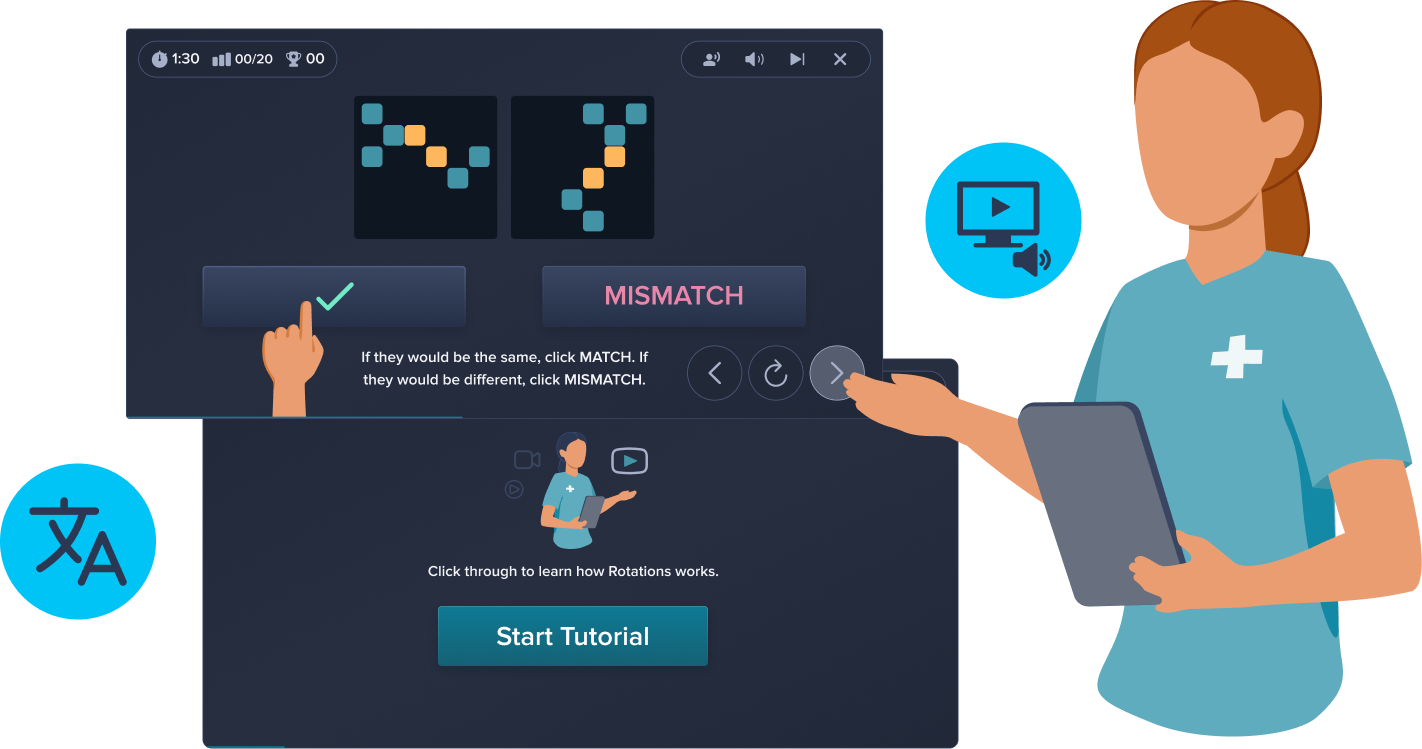
Formerly called Cambridge Brain Sciences, Creyos is one of the most widely used platforms in this category. It assesses domains such as memory, attention, reasoning, and executive function using validated tasks derived from cognitive neuroscience research.
Where it’s useful
Limitations to be aware of
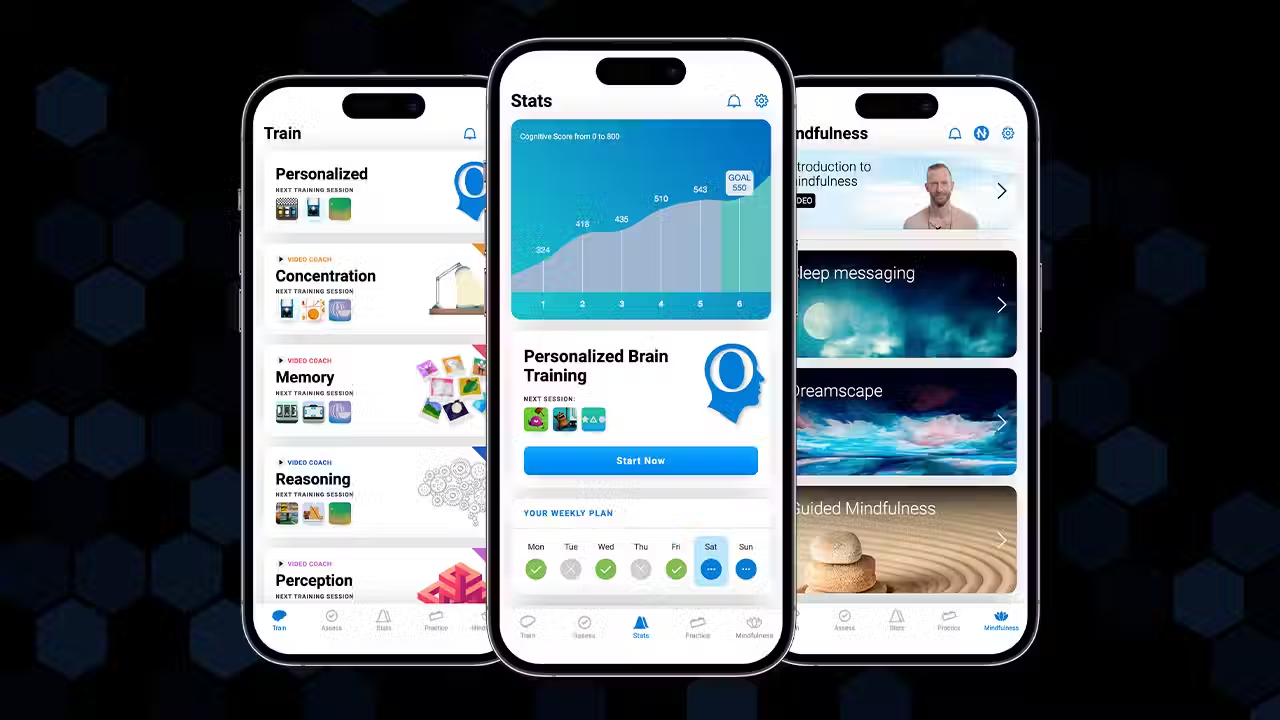
CogniFit is a consumer-facing cognitive assessment and training platform designed to provide a broad overview of cognitive strengths and weaknesses across domains such as attention, memory, perception, and executive function. Alongside brain training options they provide a large battery of assessments.
Where it’s useful
Important context
CogniFit can be helpful for users seeking an initial sense of their cognitive profile, particularly in wellness or self-improvement contexts, but it is less suited for detailed analysis or research-grade tracking.
Broad batteries like Creyos and CogniFit are often a starting point—they help answer the question: “Where do I stand across core cognitive abilities?”
Best for: probing a specific cognitive question in depth
Some tools are designed to focus very precisely on one function, rather than providing a broad overview. These are especially useful when there is a specific hypothesis or concern, but they are not typically intended as general screening tools.
Conners CPT is a well-established continuous performance test used to assess sustained attention, vigilance, and impulsivity.
Where it’s useful
Important context
It answers a focused question well, but not a broad one.
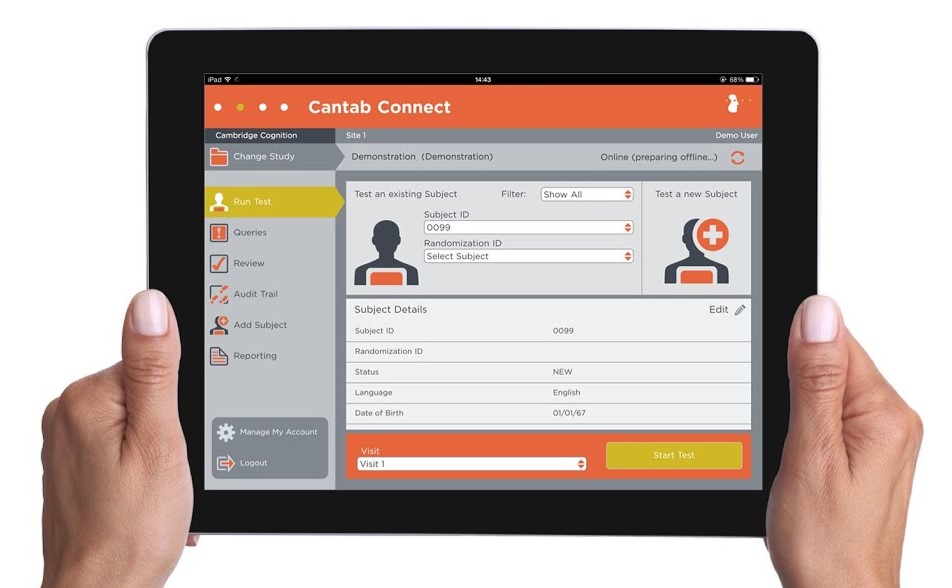
CANTAB is a computerized neuropsychological assessment system widely used in clinical trials, neurology, and psychiatry.
Where it’s useful
Important context
CANTAB excels when precision matters, rather than convenience.
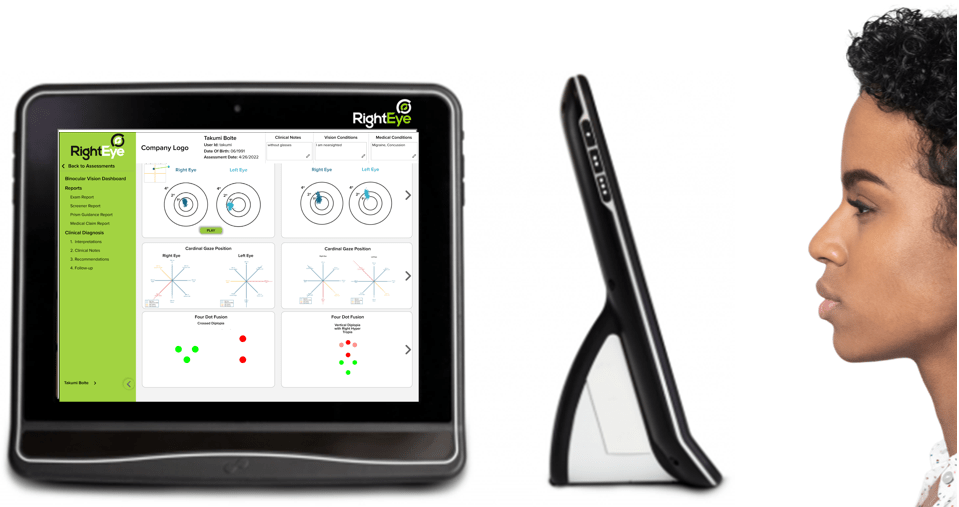
RightEye uses eye-tracking technology to assess oculomotor control, visual reaction timing, and eye movement patterns.
Where it’s useful
Important context
RightEye is valuable for understanding foundational visual inputs that support cognition, rather than cognition itself.
Best for: understanding how multiple cognitive systems interact under load
A smaller group of tools attempt to measure cognition in a way that more closely resembles real-world demands, where attention, perception, memory, and decision-making interact simultaneously.
This category is less crowded—but increasingly relevant.
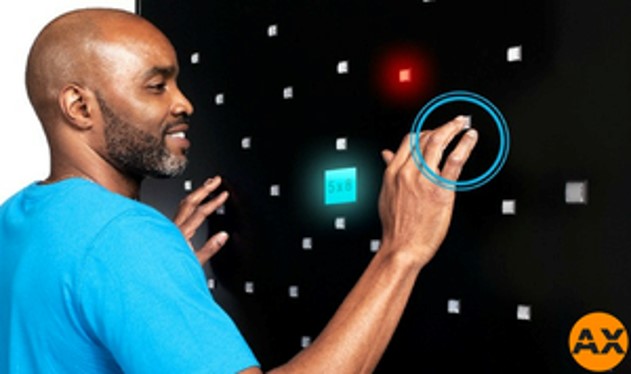
Dynavision D2 combines visual scanning, reaction time, and motor response in a physically interactive format.
Where it’s useful
Limitations
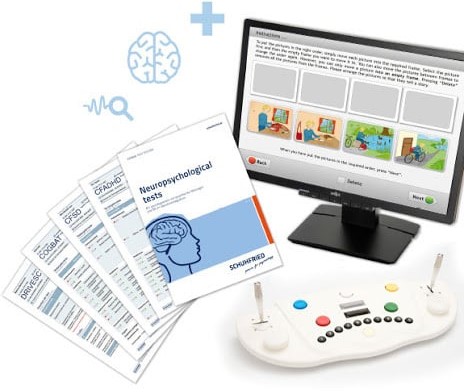
The Vienna Test System includes complex, multi-component tasks used in aviation, driving, and occupational psychology.
Where it’s useful
Limitations

NeuroTrackerX occupies a distinct position within this category. Rather than isolating individual functions, it places users under dynamic perceptual and attentional load, requiring simultaneous tracking, attention allocation, and rapid updating. It has been validated in 120+ published studies, demonstrating it's efficacy in measuring real-world performance.
What it measures well
Important context
NeuroTrackerX is frequently applied as a functional screen, offering insight into how cognition performs under complexity—and how it adapts with training—rather than diagnosing specific deficits.
No single assessment can capture cognition fully.
In practice, different tools answer different questions:
Used together, they provide a more complete picture than any one method alone—especially when tracking change over time.
Rather than asking “Which test is best?”, a more useful question is:
“What am I trying to understand?”
Cognitive assessment is most informative when it’s purpose-driven, not one-size-fits-all.
As interest in brain health and cognitive performance grows, so does the importance of measuring thoughtfully. The most useful insights often come not from a single score, but from patterns observed across time, contexts, and complementary tools.
Welcome to the Research and Strategy Services at in today's fast-paced.
Elite tennis returners do more than react quickly — they extract useful information before the ball is even struck. This article explores how anticipation, body cues, and rapid updating help players solve the return before the serve fully unfolds.
Elite athletes don’t need to look directly at everything to stay aware of a fast-changing play. This article explores how gaze and attention work together to monitor movement, spacing, and opportunity across the wider visual field.
Learn how modern sports medicine extends beyond treating isolated injuries with multidimensional rehabilitation approaches.
NeuroTracker is one of the most widely researched cognitive training systems, used in elite sports, military, and human performance settings worldwide. Built on 20 years of neuroscience research.