


Welcome to the Research and Strategy Services at in today's fast-paced.
In professional cycling, where milliseconds can separate victory from defeat, elite riders are increasingly turning to cognitive training to sharpen their reaction times, decision-making, and situational awareness.
Belgian pro team Lotto Dstny has embraced this trend, incorporating mental training techniques alongside their physical conditioning. The team’s sports psychologist, as well as several riders, have provided insights into how this training is reshaping their approach to racing.
Cyclists need to process multiple pieces of visual information at high speed—tracking competitors, reading race dynamics, and making split-second tactical decisions, often under extreme fatigue. Cognitive training aims to enhance visual tracking, focus, and reaction speed to optimize performance in these high-pressure situations.
According to Dr. Claira Baiwir, the team's sport psychologist, mental sharpness is often overlooked in cycling:
"Physical fitness is just one piece of the puzzle. A rider’s ability to anticipate attacks, react instinctively in a sprint, and stay focused over long distances can be the difference between winning and losing. By training cognitive skills, we’re strengthening a rider’s ability to perform under stress."
She emphasizes that fatigue affects mental speed, leading to slower reactions and poorer decision-making late in races:
"Many crashes and mistakes happen in the final kilometers when riders are physically drained. If we can keep their cognitive function sharp even in exhaustion, they’ll make better tactical choices."

Lotto Dstny, one of Belgium’s most prestigious cycling teams, is using NeuroTracker to sharpen reaction times and improve decision-making in high-speed race situations.
🔹 Maxim Van Gils, a rising star on the team, says he has noticed a significant improvement in his situational awareness:
"Before, I sometimes reacted too late to key moves in a sprint. Now, I see gaps earlier, and I’m able to make my move at the right time."
🔹 Arnaud De Lie, known for his aggressive racing style, believes that cognitive training is especially useful in sprint finishes:
"Everything happens in milliseconds. The ability to process the chaos around you—spotting openings, reacting to rivals—is what makes the difference between first and fifth place."
🔹 A team performance coach, speaking anonymously, added:
"We train the body to exhaustion, but now we’re also training the brain to perform at its best when the body is most fatigued. That’s where champions are made."
While cognitive training has been widely adopted in sports like Formula 1, football, and ice hockey, its use in professional cycling is still in its early stages. Lotto Dstny is one of the first teams to fully integrate it into their training methodology, believing it offers a competitive edge in the high-stakes world of WorldTour racing.
Dr. Claira Baiwir believes this could become a standard part of elite training in the future:
"We are only scratching the surface of what mental training can do for endurance athletes. As more teams realize its impact, I expect cognitive training to become as common as strength and endurance conditioning."
With the push toward marginal gains, Lotto Dstny’s investment in mental speed and clarity may soon inspire other teams to follow suit.
Article source (sign-up required).
Welcome to the Research and Strategy Services at in today's fast-paced.
Elite athletes often anticipate an opponent’s next move before the action fully unfolds. This article explores how reading subtle body movements helps experts predict actions, reduce uncertainty, and respond ahead of time.
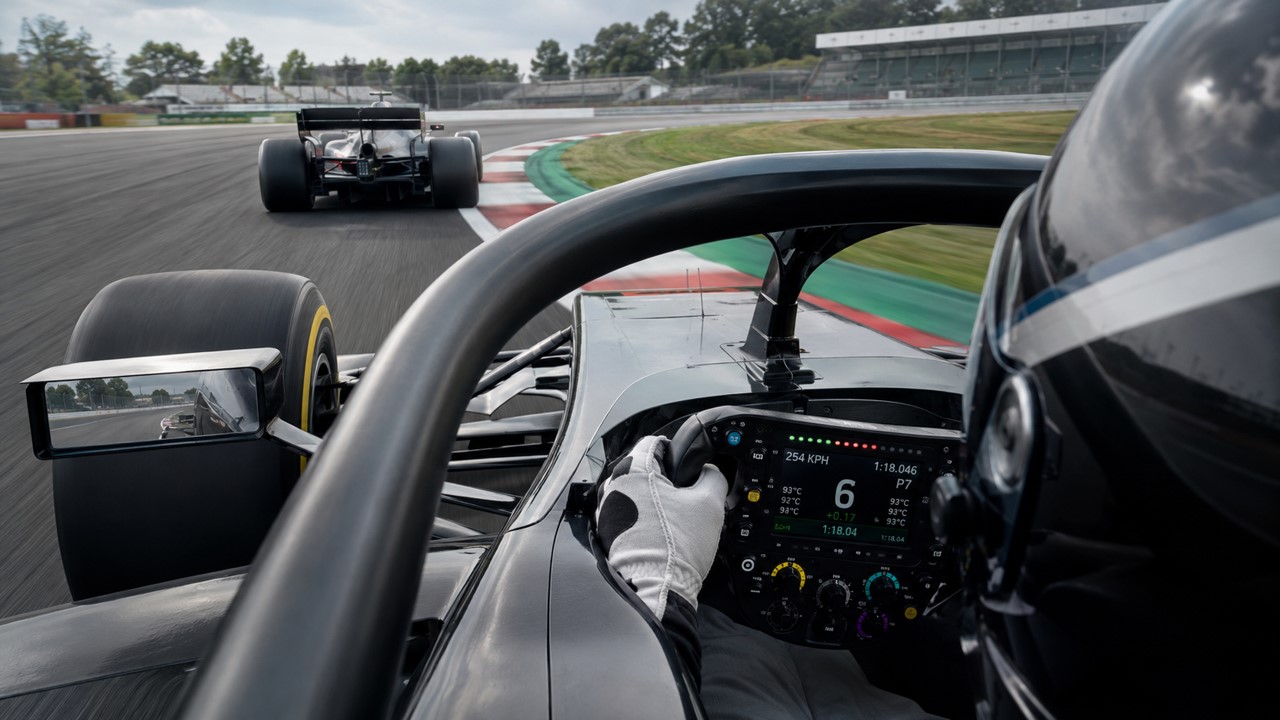
At Formula 1 speeds, performance depends on far more than fast reactions. This article explores how elite drivers prioritize information, anticipate what comes next, and continuously update the race at extreme speed.
Elite tennis returners do more than react quickly — they extract useful information before the ball is even struck. This article explores how anticipation, body cues, and rapid updating help players solve the return before the serve fully unfolds.
NeuroTracker is one of the most widely researched cognitive training systems, used in elite sports, military, and human performance settings worldwide. Built on 20 years of neuroscience research.