

Welcome to the Research and Strategy Services at in today's fast-paced.
For Maxime Chevrier, sports has been a part of his life for as long as he remembers. Having played ice hockey at the professional level and after obtaining a psychology degree from the Université du Québec à Trois-Rivières (UQTR), he dedicated his career towards sports psychology and working with athletes to allow them to maximize their potential.
Maxime is now a recognized sports psychology consultant. He has worked with multiple high-profile professional and Olympic athletes. He has a particular emphasis on working with players to manage the high levels of stress they encounter and ensuring they perform at optimum levels under pressure. In addition, he works with athletes to establish concussion baselines and post-incident concussion testing. He shares with them techniques and rehabilitation exercises that help the athletes during their recovery.
Watch a brief video below to see how Maxime has been using NeuroTracker at his clinic. You can also visit his website www.SynapsePlus.ca for more information and to get started on your own path to improvement.
Welcome to the Research and Strategy Services at in today's fast-paced.
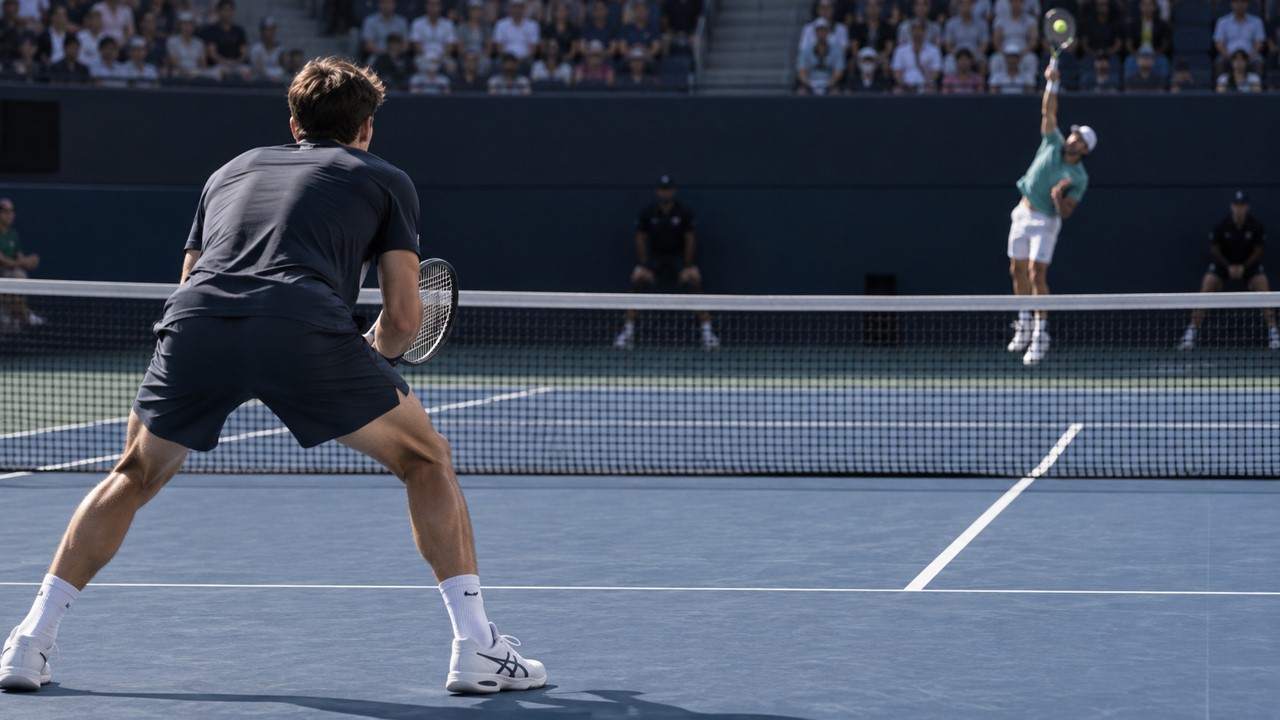
Elite tennis returners do more than react quickly — they extract useful information before the ball is even struck. This article explores how anticipation, body cues, and rapid updating help players solve the return before the serve fully unfolds.
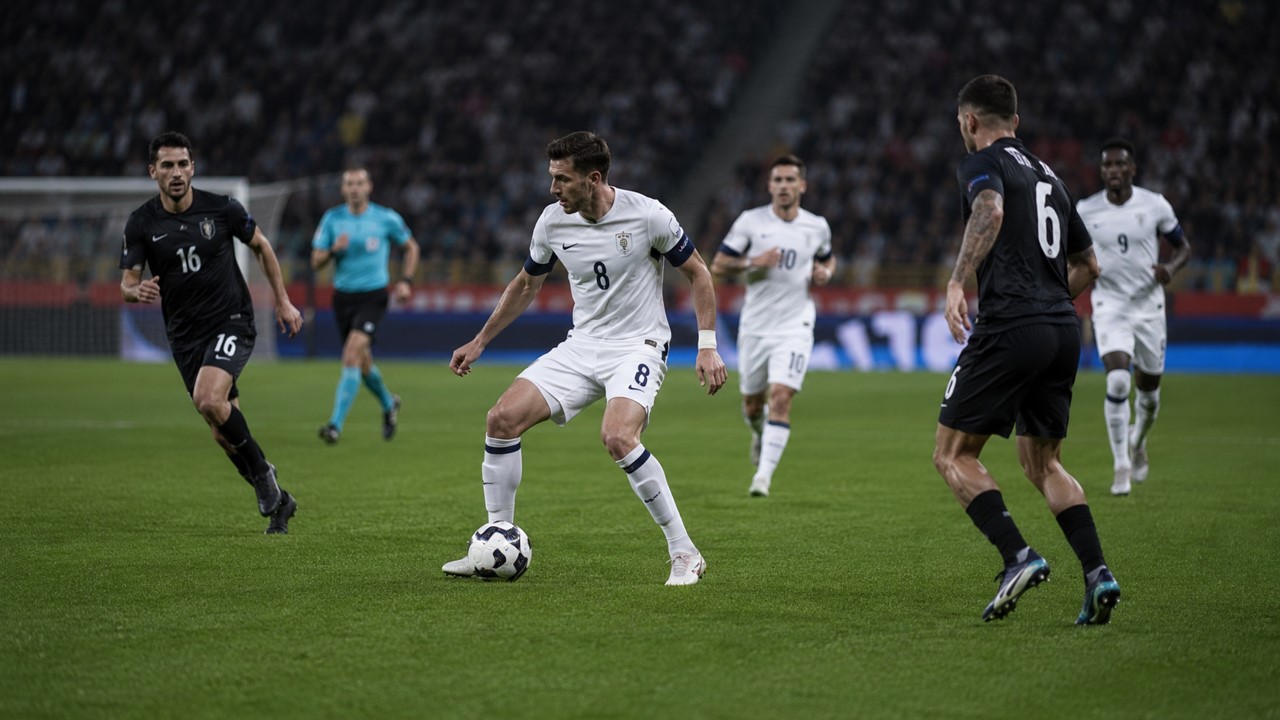
Elite athletes don’t need to look directly at everything to stay aware of a fast-changing play. This article explores how gaze and attention work together to monitor movement, spacing, and opportunity across the wider visual field.
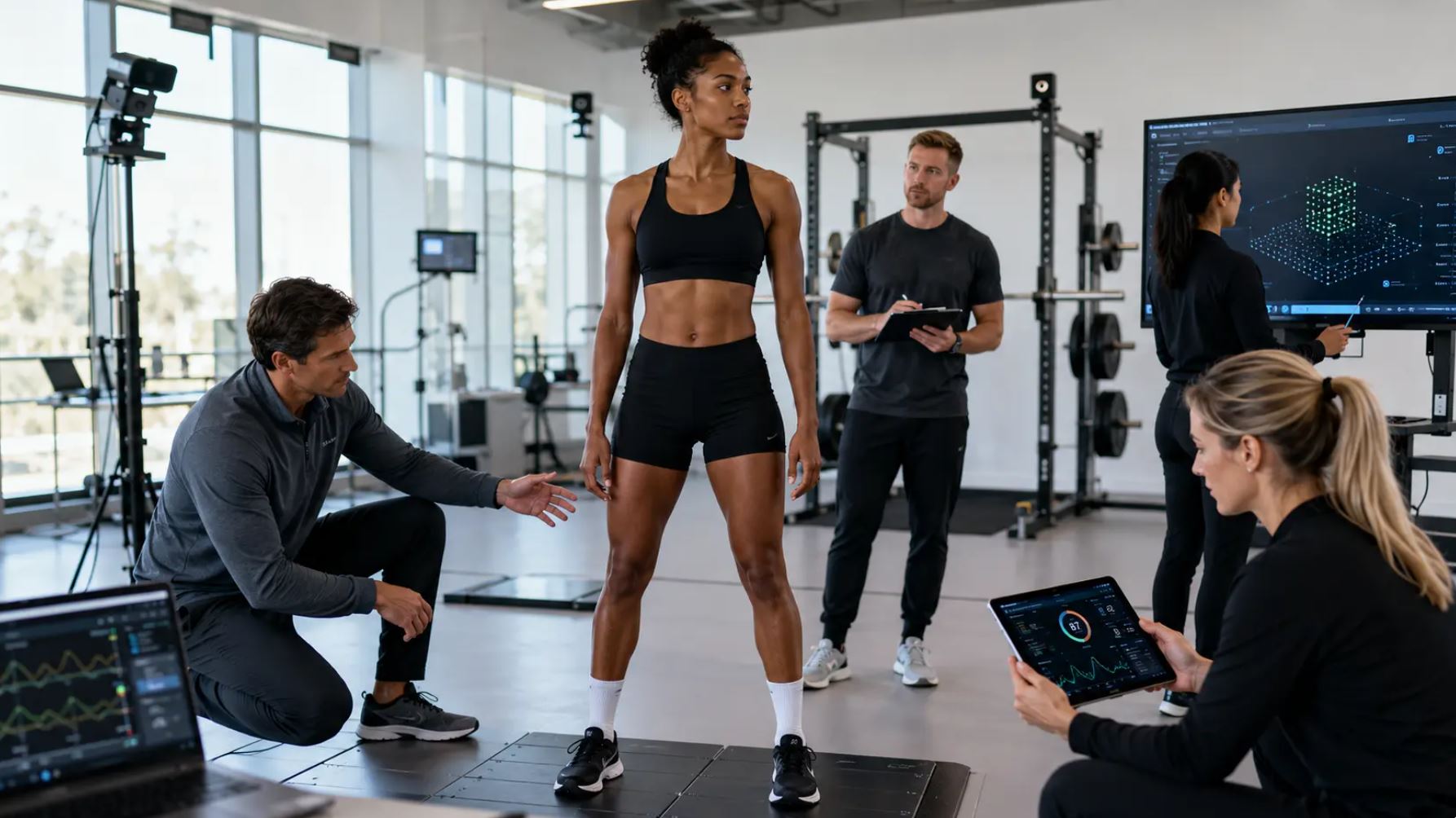
Learn how modern sports medicine extends beyond treating isolated injuries with multidimensional rehabilitation approaches.
NeuroTracker is one of the most widely researched cognitive training systems, used in elite sports, military, and human performance settings worldwide. Built on 20 years of neuroscience research.