



Welcome to the Research and Strategy Services at in today's fast-paced.
Cognitive performance is often discussed as if all demanding situations place the same kind of strain on the brain. In practice, different forms of demand affect performance in different ways.
Two conditions are especially easy to conflate: time pressure and sustained cognitive load. While both can feel demanding, they shape performance through distinct mechanisms and produce different patterns of change over time.
This article clarifies the difference between these two conditions and explains why separating them matters when interpreting cognitive performance.
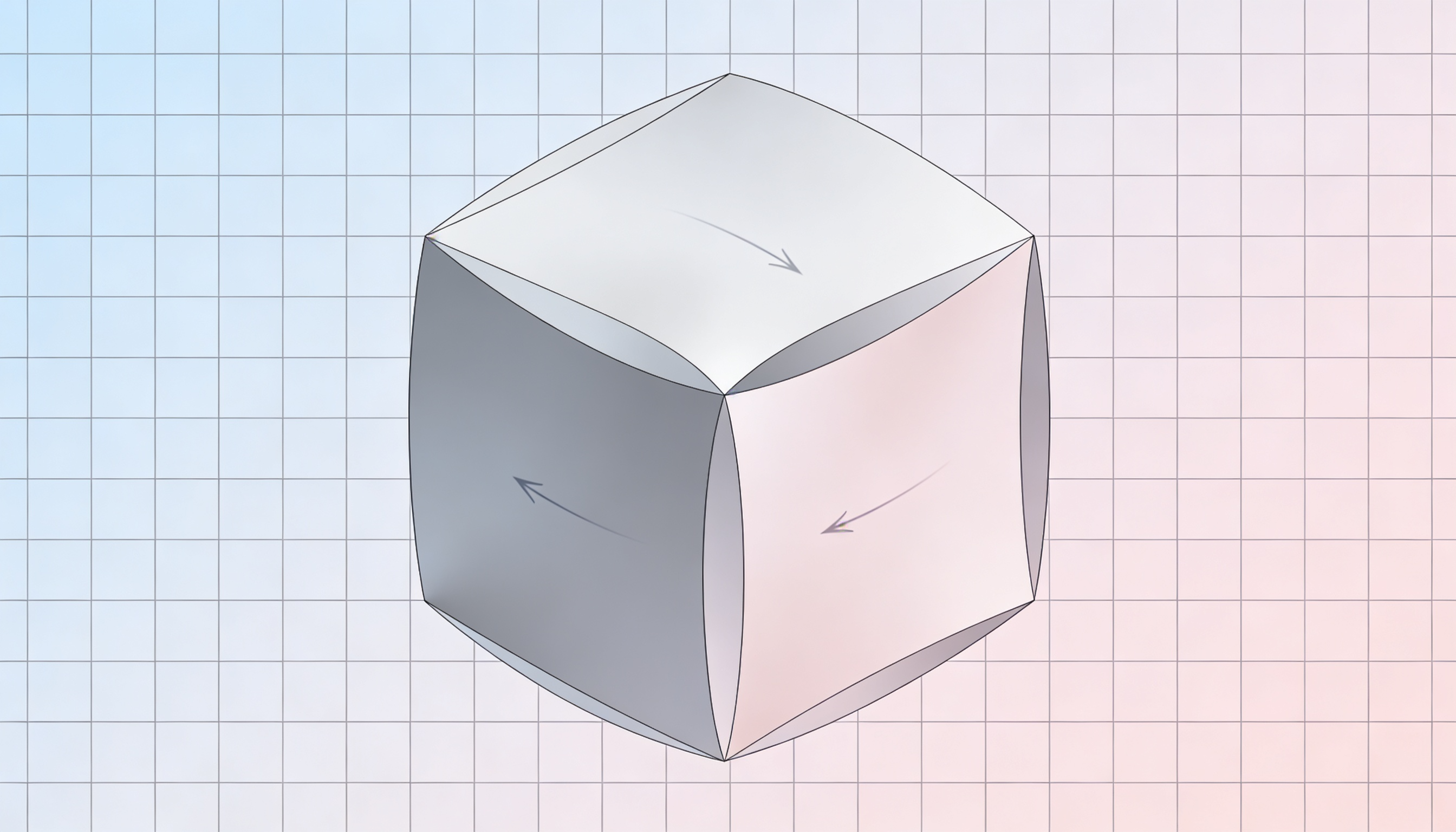
Time pressure refers to situations where decisions or actions must be completed within a short or constrained window.
Key characteristics include:
Under time pressure, performance is shaped primarily by speed–accuracy trade-offs. Individuals may respond faster at the expense of precision, or slow down to preserve accuracy, depending on strategy and context.
Importantly, time pressure is often episodic. It may be intense, but it is typically brief or punctuated by relief.

Sustained cognitive load refers to situations where demands are continuous over time, with limited opportunities for recovery.
Its defining features include:
Under sustained load, performance changes are shaped less by immediate urgency and more by maintenance over time. Stability early on does not guarantee stability later, and performance may shift non-linearly as demands continue.
This condition is defined by duration and continuity, not by intensity alone.
Time pressure and sustained load are frequently conflated because they can co-occur. A task may involve both urgency and duration, making it difficult to isolate which factor is shaping performance.
However, they differ in important ways:
A brief, high-stakes decision can feel demanding without placing sustained load on the system. Conversely, a low-urgency task can become highly demanding when it must be sustained over long periods.
Without distinguishing these conditions, performance changes are often misinterpreted.
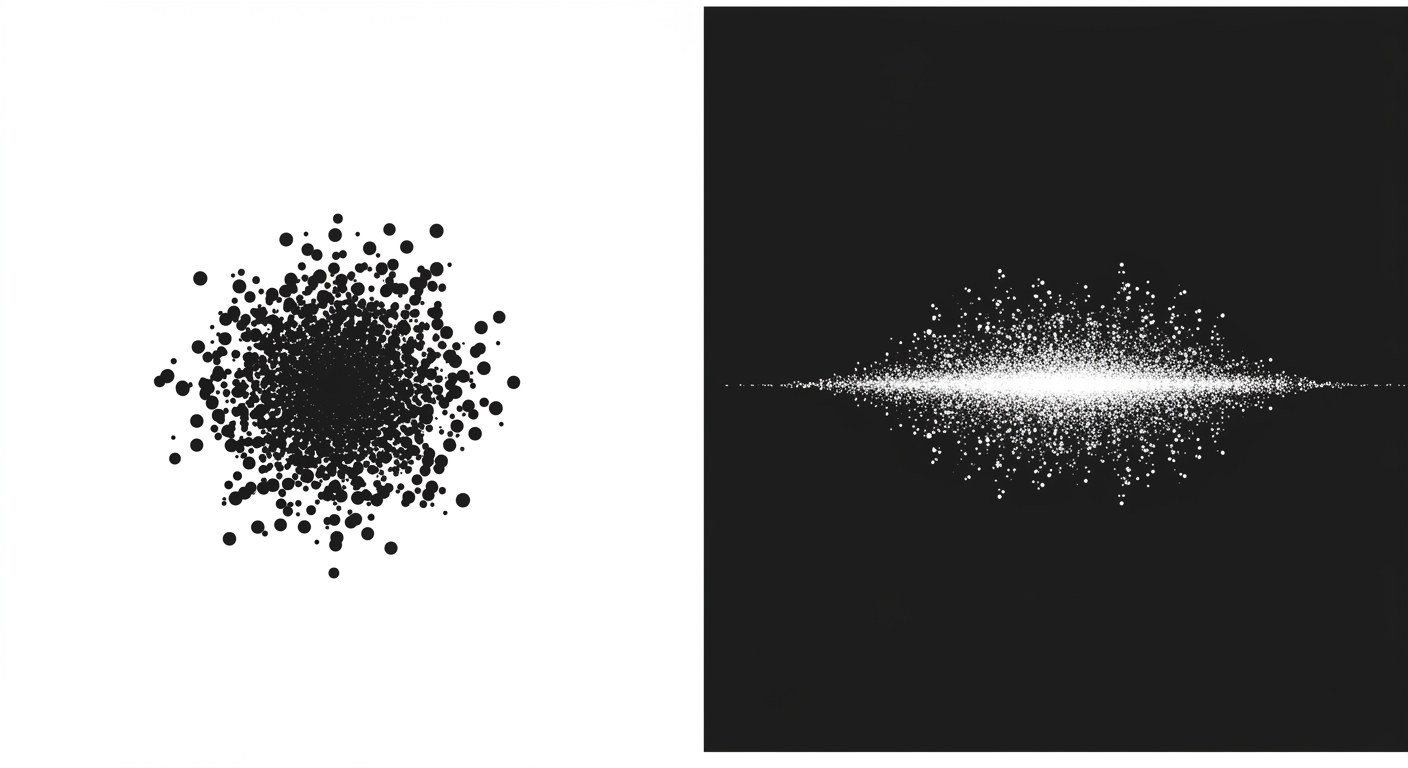
Because they place different demands on cognition, these conditions produce different performance signatures.
Under time pressure:
Under sustained load:
Treating these patterns as equivalent obscures what is actually driving change.
When time pressure and sustained load are not separated, performance outcomes are easily misattributed.
For example:
Distinguishing between these conditions helps prevent overgeneralization and incorrect conclusions about ability, readiness, or decline.
Time pressure and sustained load are not competing explanations; they describe different constraints on performance.
The framework of Cognitive Performance Under Load focuses specifically on how continuous demand over time alters performance dynamics, even when underlying ability remains intact. Time pressure, by contrast, describes how urgency shapes decision behavior within short windows.
Understanding which condition is dominant in a given context clarifies what performance changes can and cannot be inferred.
This distinction sits within the broader framework of Cognitive Performance Under Load, which focuses on how sustained demand over time alters performance dynamics, even when underlying ability remains intact.
Separating time pressure from sustained load does not imply that one is more challenging or more important than the other.
It does not:
The distinction exists to support accurate interpretation, not evaluation.
Cognitive performance is shaped by multiple constraints. Time pressure and sustained load are among the most prevalent cognitive constraints, yet they are often misunderstood as interchangeable.
Time pressure changes how quickly decisions must be made.
Sustained load changes how long performance must be maintained.
Recognizing the difference helps explain why similar tasks can produce very different performance patterns — and why short, intense demands do not reliably predict long-duration cognitive endurance.
Welcome to the Research and Strategy Services at in today's fast-paced.
Learn how modern sports medicine extends beyond treating isolated injuries with multidimensional rehabilitation approaches.
Learn how soccer penalty saves are so demanding, and why they require perceiving critical predictive cues from the kicker's body before ball contact even occurs.
Small decisions rarely stay isolated for long. This article explores how many low-level choices gradually stack together, reshaping attention, priorities, and the structure of decision-making itself.
NeuroTracker is one of the most widely researched cognitive training systems, used in elite sports, military, and human performance settings worldwide. Built on 20 years of neuroscience research.