


Welcome to the Research and Strategy Services at in today's fast-paced.
There are many cognitive factors that come into play when evaluating things that could potentially affect an individual's cognitive performance. Cognitive factors are those characteristics of a person that affect the way they learn and perform. Such factors serve in a way which modulated performance and are therefore susceptible to improvement, as well as decline. Examples of these cognitive functions are things like memory, attention, and reasoning.
Here are 3 things that affect your performance:
You might have easily guessed this one, but your cognitive performance relies on the difficulty of the task. Does the task include problem-solving for example? That will make the task more difficult.
The brain is a muscle that must be exercised and used in order to achieve its maximum level of performance capability. Therefore, a brain that has neglectfully been deprived of practice will under-perform in many scenarios
When it becomes necessary for an individual to divide their cognition between tasks (for example, memory and attention) it becomes more difficult for them to focus on the main task at hand and such a divide ultimately can decrease performance capability
Welcome to the Research and Strategy Services at in today's fast-paced.
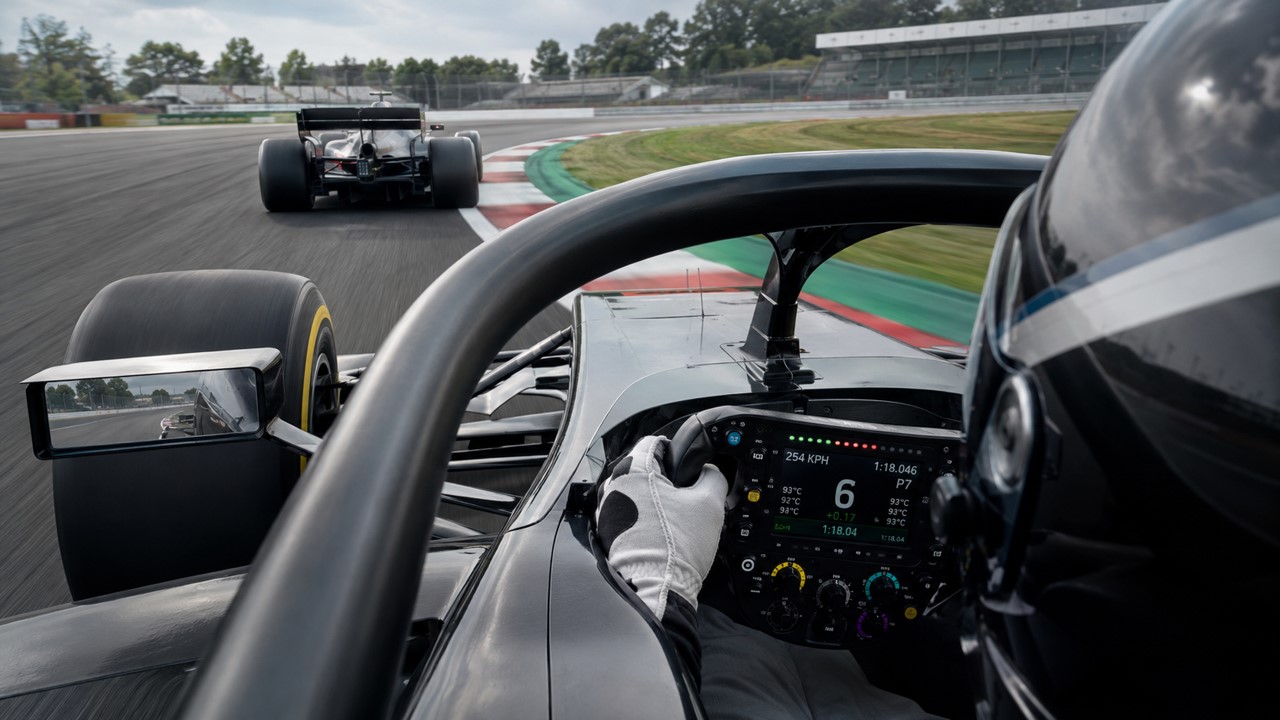
At Formula 1 speeds, performance depends on far more than fast reactions. This article explores how elite drivers prioritize information, anticipate what comes next, and continuously update the race at extreme speed.
Elite tennis returners do more than react quickly — they extract useful information before the ball is even struck. This article explores how anticipation, body cues, and rapid updating help players solve the return before the serve fully unfolds.
Elite athletes don’t need to look directly at everything to stay aware of a fast-changing play. This article explores how gaze and attention work together to monitor movement, spacing, and opportunity across the wider visual field.
NeuroTracker is one of the most widely researched cognitive training systems, used in elite sports, military, and human performance settings worldwide. Built on 20 years of neuroscience research.