Clear Brain Fog Instantly: The Best Research-Backed Apps That Helps
Clear Brain Fog Instantly
Research-Backed Apps That Helps
Nearly one in three adults (28%) experience brain fog — including poor focus, slow thinking, and memory lapses — according to a survey of 26,000 people. While not a medical diagnosis, brain fog reflects inefficiencies in attention, processing speed, and working memory, often triggered by poor sleep, stress, hormonal changes, inflammation, or post-viral conditions like long COVID. The good news? Because it affects core cognitive systems, research-backed apps can directly train attention, speed, and memory — helping restore mental clarity quickly.
Elite athletes and skilled specialists from teams and organizations like these. All trademarks and logos are intellectual property and owned by the respective organizations listed, not NeuroTracker, and does not represent a direct endorsement by such organizations
Brain Fog in Context — Stats You Should Know
Prevalence
~28.2% of adults self-report brain fog symptoms in large community surveys.
In specific conditions such as long COVID, brain fog and cognitive complaints are even more common, with review studies finding combined mental health and cognitive issues in about 20.4% of long COVID patients across 3–24 months of follow-up.
Other clinical populations report much higher rates of cognitive symptoms — for example, conditions like ME/CFS and fibromyalgia (in the range of ~70–89%) often include brain fog as a predominant complaint.
Gender and Demographics
Studies show women are more likely to report brain fog than men (odds ratio ~1.2).
Persistence After Infection
A subgroup of COVID-19 survivors report cognitive symptoms lasting many months. In one study, up to 61% of post-COVID individuals experienced brain fog persisting up to eight months or more.
Long COVID cohorts often show roughly one-third of patients with cognitive issues beyond 12 weeks, including difficulties with memory and focus.
Real Impact on Cognition
Research comparing individuals with and without brain fog finds significant declines in objective cognitive performance, with brain fog linked to lower test scores and higher fatigue and mood symptoms.
NeuroTracker improves
Cognitive function
Executive function
Sustained attention
Divided attention
Inhibition
Response control
Working memory
Processing speed
Brain plasticity
Focus
Cognitive function
Executive function
Sustained attention
Divided attention
Inhibition
Response control
Working memory
Processing speed
Brain plasticity
Focus
Cognitive function
Executive function
Sustained attention
Divided attention
Inhibition
Response control
Working memory
Processing speed
Brain plasticity
Focus
Movement skills
Reaction time
Sport skills
Motion perception
Learning capacity
Decision making
Visual working memory
Perceptual cognitive functions
Visual attention
Movement skills
Reaction time
Sport skills
Motion perception
Learning capacity
Decision making
Visual working memory
Perceptual cognitive functions
Visual attention
Movement skills
Reaction time
Sport skills
Motion perception
Learning capacity
Decision making
Visual working memory
Perceptual cognitive functions
Visual attention
Why Brain Fog Isn’t the Real Problem
Instead of labeling the feeling of fog as the root issue, scientists and clinicians increasingly recognize it as a manifestation of inefficient cognitive processing — especially:
Reduced attention control
Slowed processing speed
Impaired working memory
Challenges with executive function
These cognitive domains are what truly determine clarity and performance — in work, study, athletic performance, and everyday life — long after brain fog symptoms appear or fluctuate.
That’s exactly why leading cognitive training tools in 2026 focus on strengthening core brain processes, not just managing subjective sensations.
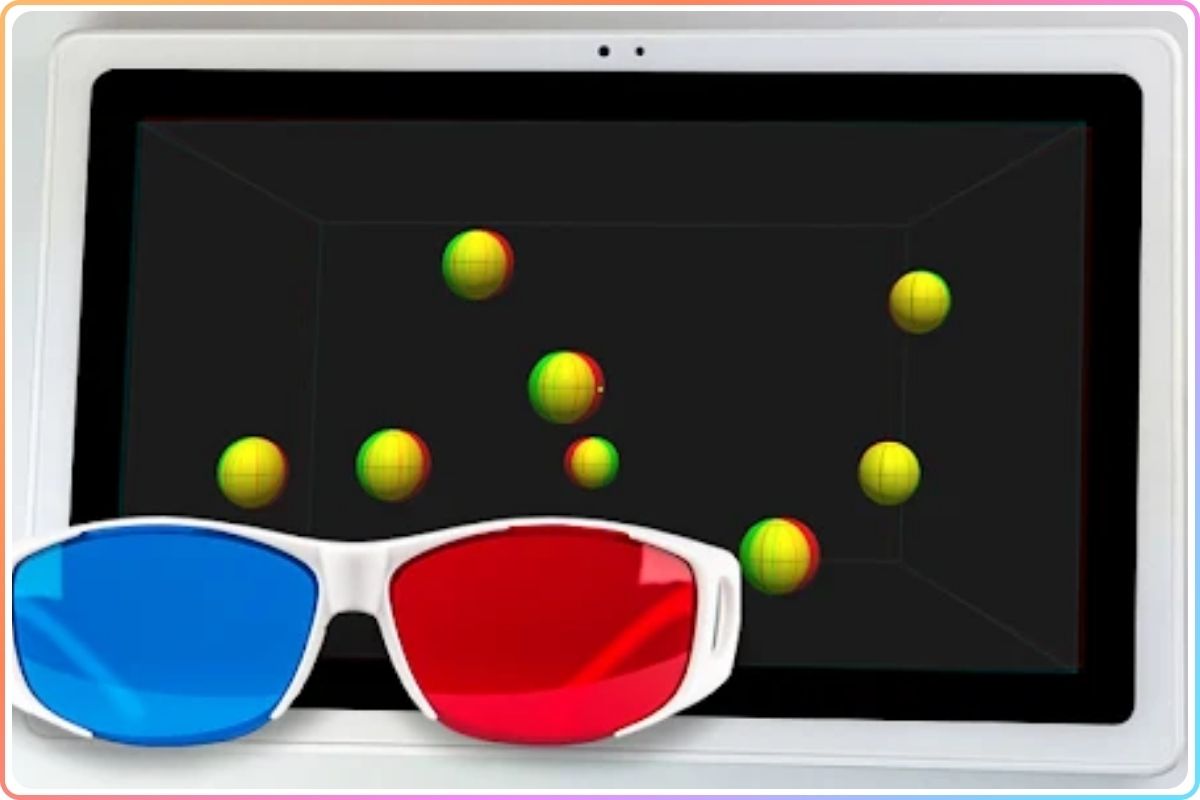
NeuroTracker is designed for users who want research-driven cognitive improvement with measurable real-world impact. Using dynamic 3D multiple-object tracking training grounded in peer-reviewed neuroscience, it strengthens core neural systems responsible for attention, processing speed, working memory, and decision-making.
Key Features
Short, adaptive training sessions (approximately 6 minutes each)
Dynamic 3D tracking exercises that challenge multiple cognitive systems simultaneously
Personalized difficulty adjustments based on performance
Used by athletes, professionals, military personnel, clinical populations and regular users
Backed by 120+ published scientific studies
Best for individuals seeking 16+ measurable cognitive benefits — from sharper attention and faster processing speed to stronger working memory and clearer decision-making — through science-validated training rather than casual brain games.
Clear BrainFog Now — Quick Clarity in Minutes
Clear BrainFog Now is designed for users who need fast, targeted clarity resets during their day. With short guided sessions (some as brief as 5 minutes), it combines breathing exercises, sound therapy, visualization, and focused routines to help calm the mind and increase concentration.
Key Features
Short, 3–10 minute clarity boosters you can use anytime
Guided focus, breathing, and mental reset modules
Progress tracking to see improvement over time
Suited for students, professionals, creatives, and anyone dealing with distraction or mental fatigue
Best for people who need practical focus support in the moment rather than long cognitive training sessions.
CogniFit Brain Fog — Cognitive Training With a Scientific Bent
CogniFit offers targeted cognitive exercises designed to strengthen specific mental functions affected by brain fog — including attention, working memory, visual perception, and processing speed.
How It Works Each session includes a set of adaptive games that gradually increase in difficulty, working multiple cognitive domains at once. By regularly training these skills, many users report clearer thinking and faster mental responses.
Notable Features
Personalized workouts based on your performance
Focus on attention, memory, and response time
iOS and Android support
Game-like format that keeps training engaging
Note: CogniFit supports cognitive stimulation but doesn’t diagnose or treat medical conditions.
Good choice for people who want ongoing mental fitness challenges with measurable progression.
CareClinic Brain Fog Tracker — Understand Before You Treat
Before you fix brain fog, it helps to know what’s triggering it. The CareClinic app isn’t a brain training game — it’s a comprehensive symptom and trigger tracker used by over 400,000 people.
What You Get
One-tap logging of brain fog severity, duration, and context
Tracking of lifestyle factors like sleep, stress, diet, and activity
Correlation analysis to identify patterns and triggers
Detailed reports you can share with healthcare professionals
Data sync with devices like Apple Health or Google Fit
This is ideal for people whose fog seems unpredictable — the app helps you see patterns you might miss otherwise.
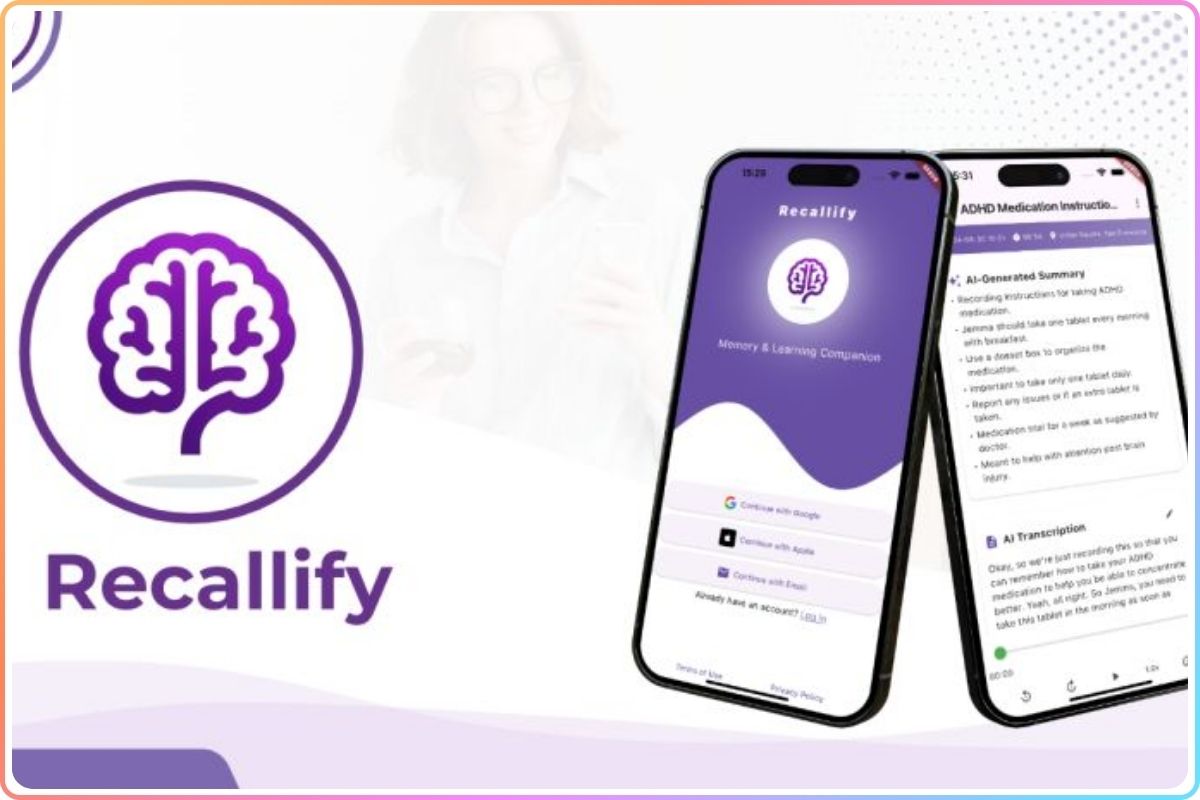
Recallify — AI-Powered Memory & Cognitive Support
Recallify positions itself as a digital memory assistant that helps you record, summarize, and retrieve important information with less mental effort — reducing cognitive load that contributes to fog.
Unique Features
Instant transcript and summaries of notes, recordings, and conversations
Intelligent search to recall information quickly
Task extraction and reminders
Works like a second brain — so you don’t have to hold everything in your head
Best for users whose fog is tied to memory overload or information chaos (e.g., students, busy professionals, or those in recovery from cognitive injury).
Moadly — Free Brain Games for Attention & Memory
If you prefer game-based cognitive training, Moadly offers a free and accessible way to exercise core brain functions linked to clarity, like working memory, attention, and processing speed.
What Makes It Stand Out
Logic puzzles, pattern recall, and memory challenges
Targets attention, memory retention, and mental agility
Free — no subscription or hidden fees
Works in your browser or as an installed app
Regular sessions (10–15 minutes, 3+ times a week) can help strengthen focus and reduce cognitive downtime.
BrainHQ — Neuroscience‑First Speed & Focus Training
BrainHQ is designed for users who want scientifically validated cognitive improvement. Developed by cognitive neuroscientists and supported by multiple research studies, it targets core brain networks responsible for processing speed, attention, and memory.
Key Features
Research-based exercises designed by neuroscientists
Adaptive training that adjusts difficulty in real time
Strong focus on processing speed and attention networks
Personalized progress tracking and performance insights
Short sessions that fit easily into daily routines
Best for improving processing speed, attention, and memory through structured, evidence-backed cognitive exercises rather than casual brain games.
MindPal — Quick Daily Mental Boosts
Best for: Short bursts of cognitive stimulation on the go.
MindPal focuses on easy five‑minute workouts designed to boost short‑term focus and memory — ideal for busy schedules or quick clarity resets.
Best for: Therapy contexts, structured brain support, and task variety training.Happy Neuron combines exercises for memory, attention, visual skills, and executive function with adjustable difficulty levels — useful for more structured cognitive improvement.
Academics
NeuroTracker is used every day...
Life
How to Choose the Best Brain Fog App
Identify your main symptom first – Focus issues need attention-training apps; memory lapses require working memory tools; unpredictable fog benefits from symptom trackers.
Choose evidence-informed platforms – Look for apps that target attention, processing speed, executive function, or memory with structured training.
Check for adaptive difficulty – The best apps adjust as you improve to keep challenging your brain.
Look for measurable progress tracking – Dashboards, performance scores, and improvement reports help you see real change.
Avoid exaggerated claims – Be cautious of apps promising instant or permanent “cures.”
Match it to your schedule – Even 10–15 minutes daily is effective if consistent.
Choose a clean, distraction-free interface – The goal is reducing cognitive load, not adding more.
Test before committing – Use free trials to see if you notice improvements in focus, recall, or mental stamina.
Stay consistent for 3–4 weeks – That’s typically when measurable improvements in attention, processing speed, and decision-making begin to appear.
Final Thought
Brain fog is common and real — backed by data showing nearly one-third of adults experiencing cognitive symptoms and significant impacts after illnesses like long COVID. But the real solution lies not in feeling less “foggy,” but in elevating your brain’s processing power.
Tools like NeuroTracker give you that edge by training the core systems behind clarity, focus, and rapid thinking — backed by scientific evidence and real results.
How is NeuroTracker different from other brain apps?
Getting Started
Take our free, science-backed assessment used by businesses and coaches across the world. Upgrade when you are ready to train properly and see results within 30 days.
1
Take the Free Brain Test
Create your free account and instantly access our cutting-edge brain test trusted by Manchester United, Navy Seals, and thousands of others. This science-backed assessment gives you an accurate snapshot of your current cognitive abilities, setting the stage for your brain training journey.
When you are ready to take your brain to the next level? Upgrade to unlock the full NeuroTrackerX experience with unlimited 3D sessions that dramatically increase results. You'll be able to track your progress, and see real-time improvements in your cognitive performance. No other tool lets you train and measure your brain performance like NeuroTracker
Devote just 6 minutes each day to training and stay consistent. In as little as 30 days, you’ll start to see real improvements in your attention, focus, reaction time, processing speed, working memory, and overall cognitive ability, agility and health.
NeuroTracker lists the best brain training apps for soccer — our top picks compare features to boost reaction, vision & decision-making. Read the list now!
Elite athletes and skilled specialists from teams and organizations like these. All trademarks and logos are intellectual property and owned by the respective organizations listed, not NeuroTracker, and does not represent a direct endorsement by such organizations
**NeuroTracker is used in various peer-reviewed medical research and applications under the guidance of a licensed medical professional. NeuroTracker is not intended to be substituted for professional medical advice, diagnosis, or treatment.